There are few destinations in the world that combine breathtaking scenery, exceptional food, luxury hospitality, and world-renowned wine quite like Napa Valley. For decades, travelers from around the globe have made the journey to Northern California to experience the rolling vineyards, charming towns, award-winning wineries, and relaxed pace that have made Napa Valley one of the most celebrated wine regions on Earth.
But while the wine may be what first brings people here, it's rarely what they remember most. Visitors remember long lunches overlooking vineyards, conversations with passionate winemakers, quiet drives along Silverado Trail, unforgettable sunsets over rows of Cabernet Sauvignon, and the feeling of slowing down in a place where every day seems to move at just the right pace.
That's the true magic of Napa Valley. It's not simply a place to drink wine. It's a place to experience wine country.
Whether you're planning your first visit or returning for another unforgettable weekend, this guide was designed to help you make the most of every moment. Rather than spending hours jumping between websites, travel blogs, online reviews, and social media recommendations, you'll find everything you need in one comprehensive resource.
What This Guide Covers
- The best time of year to visit Napa Valley
- Which airport is most convenient
- Where to stay based on your travel style
- How many wineries you should realistically visit in one day
- Transportation options and what works best
- Typical vacation costs
- Common mistakes first-time visitors make
- Frequently asked questions
- Sample itineraries
- Local planning tips from Ride Eaze
Our goal isn't simply to recommend wineries or restaurants. Our goal is to help you build a trip that feels effortless, memorable, and uniquely yours.
As a locally owned transportation company serving Napa Valley and Sonoma County, Ride Eaze has helped thousands of guests explore wine country over the years. Along the way, we've learned that the best vacations aren't built by packing as many stops into a single day as possible. They're built by creating the right pace.
A thoughtfully planned itinerary with two or three incredible wineries, a leisurely lunch, scenic drives, and enough flexibility to enjoy unexpected discoveries almost always leads to a better experience than rushing from one reservation to the next.
Ride Eaze Local Know-How
Many first-time visitors spend weeks researching "the best winery" without realizing that how you plan your day is often more important than which wineries you choose. A well-paced itinerary almost always creates a better experience than one packed with back-to-back reservations.
Why Napa Valley Is One of the World's Greatest Wine Destinations
If you're wondering whether Napa Valley is worth visiting, the short answer is simple: Absolutely. But the reasons may not be what you expect.
Most people know Napa Valley for its award-winning Cabernet Sauvignon and picturesque vineyards. While those are certainly part of the experience, they only tell a small part of the story. What truly makes Napa Valley unforgettable is the way everything comes together — world-class wineries, exceptional restaurants, welcoming hospitality, charming towns, breathtaking scenery, and an atmosphere that encourages you to slow down and enjoy the moment.
Unlike many vacation destinations where you feel pressured to pack as much as possible into every day, Napa Valley rewards a different approach. Here, the best experiences often happen when you leave room to linger over lunch, enjoy an unplanned conversation with a winery host, or stop to admire the view along a quiet country road. That's why so many visitors return year after year.
A Small Valley with a Global Reputation
Stretching approximately 30 miles from south to north and just a few miles wide in most places, Napa Valley is surprisingly compact. Yet within that relatively small area are more than 400 wineries, each offering its own unique interpretation of wine, hospitality, and the Napa Valley experience.
Some wineries are internationally recognized icons with generations of history behind them. Others are small, family-owned estates producing limited quantities of wine that never make it to retail shelves. Every visit offers something different. One morning you may be walking through an underground wine cave carved into the hillside. That afternoon you might find yourself seated beneath ancient oak trees overlooking rows of Cabernet Sauvignon while learning directly from a knowledgeable host about the vineyard's history.
More Than Just Wine
Although wine is the centerpiece of most visits, Napa Valley offers far more than tasting rooms. Visitors also come to experience:
- Award-winning restaurants
- Luxury resorts and spas
- Boutique shopping
- Art galleries
- Scenic hiking trails
- Cycling routes
- Olive oil tastings
- Farmers markets
- Hot air balloon rides
- Seasonal festivals
- Cooking classes
- Historic architecture
- Beautiful small towns
Even guests who don't consider themselves wine enthusiasts often leave impressed by everything else the valley has to offer. Many families, couples, and groups build itineraries that include only two winery visits, leaving plenty of time to explore downtown Napa, enjoy a leisurely lunch, browse local boutiques, or relax at a spa.
Every Town Has Its Own Personality
One of the things that surprises first-time visitors is how different each community feels.
Napa
The city of Napa serves as the southern gateway to wine country. It offers the largest selection of hotels, restaurants, tasting rooms, and nightlife, making it an excellent home base for many visitors.
Yountville
Known for its upscale atmosphere, Yountville combines luxury hotels, acclaimed restaurants, walkable streets, and elegant tasting rooms in one charming community.
St. Helena
Historic buildings, boutique shopping, and a relaxed pace give St. Helena a timeless wine country feel. Many visitors appreciate its mix of renowned wineries and locally owned businesses.
Calistoga
Located at the northern end of the valley, Calistoga is famous for hot springs, mud baths, wellness retreats, and scenic mountain surroundings. It's an ideal destination for travelers seeking relaxation alongside wine tasting.
Hospitality That Sets Napa Valley Apart
Perhaps the greatest reason people return isn't the scenery or even the wine. It's the hospitality. The best wineries don't simply pour wine. They tell stories. They explain how weather influenced a particular vintage. They introduce guests to grape varieties, vineyard practices, and winemaking techniques in ways that are welcoming rather than intimidating.
Whether you're tasting your first Cabernet Sauvignon or you're an experienced collector, you'll find that genuine hospitality is part of what makes Napa Valley so memorable.
Ride Eaze Local Know-How
Don't try to see everything on your first trip. Choose experiences that genuinely interest you, allow plenty of time between reservations, and leave room for spontaneous discoveries. Those unplanned moments often become the highlight of the entire vacation.
Planning Your Napa Valley Trip: Everything You Need to Know Before You Book
Planning a Napa Valley vacation is exciting, but making a few smart decisions before you book flights, hotels, or winery reservations can dramatically improve your experience. One of the biggest misconceptions about Napa Valley is that it's a destination you can simply "figure out" once you arrive. While spontaneous moments are part of what makes wine country special, the most successful trips usually begin with thoughtful planning.
Decide What Kind of Trip You Want
Before researching wineries, ask yourself one simple question: What kind of Napa Valley experience are we hoping to have? Every visitor arrives with different expectations.
- Some couples dream of quiet vineyards, luxury accommodations, and unforgettable dinners.
- Groups of friends often want lively tasting rooms, sparkling wine, and plenty of photo opportunities.
- Wine enthusiasts may prioritize educational tastings, reserve wines, and vineyard tours.
- Families might focus on scenic drives, outdoor spaces, and flexible itineraries.
There isn't one perfect Napa Valley vacation. The best trip is the one designed around your interests rather than someone else's recommendations.
How Many Days Should You Spend in Napa Valley?
While it's certainly possible to visit Napa Valley in a single day, most first-time visitors appreciate having additional time to explore.
One Day
Perfect if you're already visiting Northern California and want an introduction to wine country. Plan for two winery visits, lunch, a scenic drive, and dinner before returning home.
Two Days
Ideal for many first-time visitors. This allows you to experience different parts of the valley without feeling rushed. Day One: two or three wineries, lunch, and dinner. Day Two: two wineries, shopping, scenic stops, and a relaxed departure.
Three Days
Three days provides enough flexibility to experience Napa Valley at a slower pace while exploring multiple towns. You'll have time to visit several wineries, enjoy excellent restaurants, explore downtown Napa, walk through Yountville, discover St. Helena, relax at a spa, and take scenic drives. For many travelers, three days feels like the perfect balance.
When Should You Book?
One of the biggest mistakes first-time visitors make is waiting too long to reserve wineries. Many of Napa Valley's most popular tasting experiences require reservations, particularly during weekends and harvest season.
- Hotels: Book two to four months in advance for spring, summer, and fall travel. If visiting during harvest, consider booking even earlier.
- Winery Reservations: Popular wineries often fill several weeks or months ahead. Reserve your must-visit winery as soon as travel dates are confirmed.
- Restaurants: Many of Napa Valley's best restaurants accept reservations well in advance. Securing dinner reservations before your trip helps eliminate unnecessary stress.
- Transportation: If you plan to hire private transportation or a designated driver, booking ahead provides the greatest flexibility — especially for weekends and larger groups.
Understanding the Valley Before You Build an Itinerary
One of the easiest ways to improve your vacation is by understanding the geography of Napa Valley. Although the valley is only about thirty miles long, travel times between wineries can be longer than visitors expect. Driving from the southern end of the valley to Calistoga can easily take close to an hour depending on traffic. Instead of selecting wineries based solely on popularity, group them by location. This reduces unnecessary driving while giving you more time to enjoy each tasting.
Build Around Experiences, Not Checklists
One of the biggest planning mistakes is trying to visit every famous winery you've ever heard about. Instead, focus on experiences. Would you rather tour a wine cave, enjoy panoramic vineyard views, learn about winemaking, taste small-production wines, pair wine with locally prepared food, or relax at a beautiful outdoor patio? Planning around experiences rather than names often leads to a much more memorable trip.
Leave Time Between Reservations
It's tempting to schedule winery appointments back-to-back. On paper, it looks efficient. In reality, it usually creates unnecessary stress. Wine tastings often run longer than expected. You may decide to purchase wine. Lunch may take an extra thirty minutes. You might discover a beautiful view worth stopping for. Adding breathing room between reservations allows your day to unfold naturally.
Planning Checklist — Before Your Trip
- ✓Flights booked
- ✓Hotel reserved
- ✓Winery appointments confirmed
- ✓Dinner reservations made
- ✓Transportation arranged
- ✓Comfortable walking shoes packed
- ✓Weather forecast checked
- ✓Flexible time built into each day
Ride Eaze Local Know-How
Many guests tell us they initially planned four or five wineries in one day. After adjusting their itinerary to two or three thoughtfully selected stops with a relaxed lunch, they almost always tell us they enjoyed the day far more. Napa Valley isn't about seeing everything. It's about experiencing each moment without feeling rushed.
The Best Time to Visit Napa Valley: A Season-by-Season Guide
One of the most common questions travelers ask before planning their trip is: "When is the best time to visit Napa Valley?" The answer depends on the type of experience you're looking for. Unlike many destinations that remain relatively consistent throughout the year, Napa Valley transforms with every season. Vineyard colors change dramatically, temperatures shift, tasting room atmospheres evolve, and even the pace of the valley feels different from month to month.
The good news? There really isn't a bad time to visit. Each season offers its own unique charm, and understanding those differences can help you plan a vacation that perfectly matches your travel style.
Spring (March Through May) — Napa Valley Comes Back to Life
For many locals, spring is one of the most beautiful times of year. Winter rains have transformed the vineyards into brilliant shades of green, mustard flowers bloom between the vine rows, and the valley begins waking up after the quieter winter months. The weather is comfortable, the scenery is spectacular, and visitor numbers remain lower than during the busy summer and harvest seasons.
- Average daytime temperatures: 65°F–80°F
- Average evenings: 45°F–55°F
- Bright green vineyards and beautiful wildflowers
- Comfortable weather and excellent photography
- Fewer crowds and easier winery reservations
- Outdoor tastings without extreme heat
Summer (June Through August) — Long Days and Endless Sunshine
Summer brings energy to Napa Valley. Outdoor patios fill with guests enjoying leisurely tastings, restaurants buzz with activity, and wineries often host seasonal events, concerts, and special experiences. Long daylight hours allow visitors to enjoy extended afternoons exploring vineyards before finishing the day with dinner outdoors. It's one of the most popular times to visit, particularly for family vacations and weekend getaways.
- Average daytime temperatures: 85°F–95°F (can climb into upper 90s in St. Helena and Calistoga)
- Average evenings: 55°F–65°F
- Schedule outdoor tastings earlier in the day
- Drink plenty of water between winery visits
- Reserve hotels, restaurants, and wineries well in advance
- Consider weekday visits for a quieter experience
Harvest Season (Late August Through October) — The Most Exciting Time in Wine Country
If you've ever imagined Napa Valley at its busiest and most vibrant, you're probably thinking of harvest season. This is when grapes reach peak ripeness and wineries begin one of the most exciting periods of the year. You'll notice tractors moving through vineyards before sunrise, crews harvesting grapes by hand, and the unmistakable aroma of fermentation drifting through the valley. For wine lovers, harvest provides an incredible opportunity to witness winemaking as it happens.
- Active vineyards and harvest celebrations
- Winery events and beautiful weather
- Exciting wine country atmosphere and fresh grape aromas
- Hotels often sell out months in advance — plan ahead
- Popular tasting experiences become harder to reserve
- Traffic increases, especially on weekends
Fall (October Through November) — Golden Vineyards and Crisp Mornings
As harvest winds down, Napa Valley enters one of its most picturesque seasons. Green vineyards gradually transform into shades of gold, amber, orange, and crimson. Morning temperatures become cooler while afternoons remain comfortable for exploring wineries and enjoying outdoor lunches. Photographers often consider autumn one of the most beautiful times to experience wine country. Perfect for romantic getaways, anniversary trips, scenic drives, and photography.
Winter (December Through February) — Napa Valley's Best-Kept Secret
Winter may be the valley's quietest season, but that doesn't mean it's any less enjoyable. In fact, many experienced travelers intentionally visit during winter. Without peak-season crowds, tasting rooms feel more personal. Winery staff often have more time to answer questions and provide educational experiences. Restaurant reservations become easier to secure. Hotels frequently offer attractive pricing. Instead of bustling patios, you'll find cozy tasting rooms, fireplaces, and a peaceful atmosphere that's perfect for couples seeking a relaxing getaway.
- Average daytime temperatures: 55°F–65°F
- Average evenings: 35°F–45°F
- Better hotel pricing and fewer crowds
- More personalized tasting room experiences
- Easier restaurant reservations
- Cozy wine country atmosphere with fireplaces
Quick Seasonal Comparison
| Season | Best For | Crowd Level | Weather |
|---|---|---|---|
| Spring | Green vineyards, photography, first-time visitors | Moderate | Mild |
| Summer | Outdoor dining, events, long days | High | Warm |
| Harvest | Wine enthusiasts, vineyard activity | Very High | Warm |
| Fall | Scenic drives, couples, photography | High | Mild |
| Winter | Quiet getaways, value, personalized tastings | Low | Cool |
If this is your very first visit to Napa Valley, late spring and early fall are often the easiest times to recommend. You'll typically enjoy comfortable temperatures, beautiful scenery, and excellent winery experiences without some of the logistical challenges that come with peak harvest weekends. That said, every season has something special to offer. The "perfect" time to visit depends less on the calendar and more on the kind of memories you hope to create.
Ride Eaze Local Know-How
No matter what season you choose, try to schedule your winery appointments earlier in the day whenever possible. Morning tastings are often quieter, temperatures are more comfortable during warmer months, and you'll enjoy a more relaxed pace before afternoon crowds begin arriving.
Which Airport Should You Fly Into? Choosing the Best Gateway to Napa Valley
One of the first decisions you'll make when planning your Napa Valley vacation is choosing which airport to fly into. Fortunately, wine country is easily accessible from several major airports, each offering its own advantages depending on where you're traveling from, your budget, and how you plan to spend your first day in Napa Valley.
There isn't one "perfect" airport for everyone. For some travelers, nonstop flight availability will be the deciding factor. Others may prioritize a shorter drive, easier navigation, or avoiding Bay Area traffic altogether. Understanding the differences between each airport can save you time, reduce stress, and help you begin your vacation on the right note.
San Francisco International Airport (SFO)
Distance to Downtown Napa: Approximately 65–70 miles | Typical Drive Time: 1.5 to 2 hours
San Francisco International Airport is the most popular arrival point for visitors traveling to Napa Valley. As one of the busiest airports on the West Coast, SFO offers the greatest selection of domestic and international flights, making it an excellent option for travelers coming from across the United States or overseas. If you're flying from Europe, Asia, Australia, or the East Coast, there's a good chance SFO will provide the most convenient routing.
- Extensive domestic and international flight options
- Frequent nonstop service and wide selection of airlines
- Excellent rental car availability
- Note: Morning and late-afternoon commute periods are generally the busiest — plan your arrival outside peak traffic hours if possible
Oakland International Airport (OAK)
Distance to Downtown Napa: Approximately 55–60 miles | Typical Drive Time: 1 hour 15 minutes to 1 hour 45 minutes
Many experienced Napa Valley visitors actually prefer Oakland International Airport. Although smaller than SFO, Oakland is often easier to navigate, baggage claim is typically faster, and getting on the road usually requires less time. For domestic travelers, Oakland frequently offers an excellent balance between convenience and accessibility.
- Easier airport layout and faster arrivals
- Less congestion and convenient rental car facilities
- Often shorter airport wait times
- Note: Bay Area traffic can still affect drive times during busy periods
Sacramento International Airport (SMF)
Distance to Downtown Napa: Approximately 65 miles | Typical Drive Time: 1.5 to 2 hours
Sacramento International Airport has become an increasingly popular choice for Napa Valley visitors. Its modern terminals, efficient layout, and generally lighter traffic make it an attractive alternative to Bay Area airports. Travelers arriving from many western and central states often find competitive flight options through Sacramento.
- Easy airport navigation and short security lines
- Less traffic around the airport
- Convenient rental car access and comfortable travel experience
- Great option for travelers arriving from western and central U.S. cities
Charles M. Schulz Sonoma County Airport (STS)
Distance to Downtown Napa: Approximately 45 miles | Typical Drive Time: 50 to 60 minutes
For travelers fortunate enough to find a convenient flight, Sonoma County Airport offers the shortest drive into wine country. Located near Santa Rosa, this smaller regional airport provides a relaxed arrival experience with minimal crowds and quick baggage claim.
- Closest commercial airport to wine country
- Very easy to navigate with minimal congestion
- Fast arrivals and baggage claim
- Note: Flight schedules and availability may be more limited than larger airports
Quick Airport Comparison
| Airport | Approximate Drive | Best For |
|---|---|---|
| San Francisco (SFO) | 1.5–2 hours | International travelers and maximum flight options |
| Oakland (OAK) | 1.25–1.75 hours | Domestic travelers seeking convenience |
| Sacramento (SMF) | 1.5–2 hours | Easy airport experience and lighter traffic |
| Sonoma County (STS) | 45–60 minutes | Shortest drive to wine country |
Should You Rent a Car?
Many first-time visitors assume renting a car is the obvious choice. For some trips, that's absolutely true. If you plan to explore beyond Napa Valley, visit nearby coastal communities, or continue traveling throughout Northern California, a rental vehicle offers flexibility.
However, wine tasting introduces another consideration. Most winery experiences include multiple pours over the course of an hour or more. After two or three winery visits, someone in your group will need to remain completely sober to drive safely. That's one reason many visitors choose professional transportation for at least one full day of wine tasting. It allows everyone in the group to fully participate in the experience while eliminating concerns about navigation, parking, and driving unfamiliar roads.
Airport Transportation vs. Ride-Share
Ride-share services can certainly work for shorter trips. However, after a long flight, many visitors appreciate the convenience of pre-arranged transportation waiting when they arrive.
- No waiting for a driver upon arrival
- Assistance with luggage
- Comfortable private transportation
- Direct service to your hotel or vacation rental
- No concerns about surge pricing during busy travel periods
Starting your vacation with reliable transportation often creates a smoother arrival experience, especially if you're unfamiliar with the region.
Ride Eaze Local Know-How
If you're planning a winery visit on the same day you arrive, try to schedule your first tasting no earlier than mid-afternoon. Flights, baggage claim, traffic, and unexpected delays can easily affect your arrival time. Giving yourself a comfortable buffer allows you to begin your vacation feeling relaxed rather than rushed. Many guests prefer arriving in Napa Valley, checking into their hotel, enjoying dinner, and beginning winery visits the following morning.
Ready to plan your Napa Valley vacation? Let Ride Eaze handle the transportation.
Book Your Napa Valley TransportationWhere Should You Stay in Napa Valley? A Complete Guide to Choosing the Right Town
One of the most important decisions you'll make when planning your Napa Valley vacation isn't which winery to visit first — it's deciding where to stay. While Napa Valley may appear compact on a map, each town offers a completely different experience. Your choice of accommodations can influence everything from drive times and restaurant options to nightlife, shopping, and the overall pace of your trip.
The good news is that there isn't a wrong choice. The key is choosing the location that best matches your travel style.
Downtown Napa
Best For: First-time visitors, couples, groups of friends, nightlife, restaurant lovers, travelers wanting walkability.
Downtown Napa has transformed dramatically over the past decade and has become one of Northern California's most vibrant destinations. Today, you'll find an excellent mix of boutique hotels, luxury resorts, tasting rooms, rooftop bars, riverfront restaurants, coffee shops, bakeries, and local boutiques — all within a walkable downtown district.
For first-time visitors, downtown Napa is often the easiest place to stay because everything feels convenient. After spending the day exploring wineries, you can park your vehicle and enjoy dinner, drinks, or an evening stroll without driving again.
- Advantages: Largest hotel selection, excellent restaurants, walkable downtown, riverfront dining, shopping, evening entertainment, convenient central location
- Things to Consider: Downtown Napa can be busier than other communities, particularly on weekends and during harvest season. If you're looking for complete peace and quiet, one of the smaller towns farther north may be a better fit.
Yountville
Best For: Romantic getaways, luxury travelers, food lovers, anniversaries, honeymoons.
If Napa is energetic, Yountville is refined. Often considered the culinary heart of Napa Valley, this charming town offers elegant boutique hotels, beautifully landscaped streets, acclaimed restaurants, art installations, and some of the region's most celebrated tasting rooms. Despite its upscale reputation, Yountville remains surprisingly relaxed. Most attractions are within walking distance, allowing visitors to enjoy the town without constantly moving their vehicle.
- Advantages: Luxury accommodations, walkable, beautiful landscaping, fine dining, boutique shopping, quiet atmosphere
- Things to Consider: Because of its popularity and limited number of hotels, accommodations in Yountville often command premium prices. Booking well in advance is recommended.
St. Helena
Best For: Wine enthusiasts, boutique shopping, historic charm, relaxed vacations.
St. Helena feels like classic Napa Valley. Historic buildings, locally owned businesses, charming streets, and easy access to many famous wineries create an atmosphere that many visitors instantly fall in love with. Rather than feeling like a tourist destination, St. Helena feels like a welcoming small town that happens to sit in the middle of one of the world's greatest wine regions.
- Advantages: Charming downtown, excellent wineries nearby, boutique shopping, relaxed pace, beautiful scenery
- Things to Consider: Evening entertainment is quieter than downtown Napa. Many visitors appreciate exactly that.
Calistoga
Best For: Spa vacations, couples, wellness retreats, hot springs, relaxation.
Located at the northern end of Napa Valley, Calistoga offers an entirely different atmosphere. Known internationally for its geothermal hot springs and mineral mud baths, this historic community has built its reputation around relaxation. It's an excellent destination for travelers who want to combine wine tasting with wellness experiences. The slower pace makes Calistoga especially appealing for couples celebrating anniversaries or anyone looking to truly disconnect.
- Advantages: Hot springs, luxury spas, quiet environment, scenic mountain surroundings, boutique hotels
- Things to Consider: Because Calistoga sits farther north, travel times to southern Napa wineries will be longer. Grouping winery visits by region becomes even more important.
Sonoma
Best For: Relaxed wine country atmosphere, smaller wineries, scenic countryside, visitors exploring multiple wine regions.
Although technically separate from Napa Valley, Sonoma is often included in wine country vacations. The atmosphere here is generally more laid-back. You'll find beautiful vineyards, historic town squares, excellent restaurants, and wineries that often feel more intimate than some of Napa's larger estates. For travelers planning to split their time between Sonoma and Napa, staying in Sonoma can be an excellent option.
- Advantages: Relaxed atmosphere, historic downtown, beautiful scenery, excellent value, easy access to Sonoma wineries
- Things to Consider: If most of your reservations are in Napa Valley, staying in Sonoma means additional driving each day.
Boutique Inns vs. Luxury Resorts
One question we hear frequently is whether visitors should splurge on a luxury resort. The answer depends on how you plan to spend your time. If your itinerary includes winery visits from morning until evening, a comfortable boutique hotel may provide everything you need. However, if you envision afternoons by the pool, spa treatments, room service, and relaxing on the property, a luxury resort can become an important part of the overall vacation experience. Many couples celebrating milestone anniversaries or honeymoons consider this investment well worth it.
Vacation Rentals
For larger groups, vacation rentals can be an excellent alternative to traditional hotels. Benefits include multiple bedrooms, shared living space, full kitchens, outdoor gathering areas, and greater privacy. Vacation rentals are especially popular for birthday celebrations, girls' weekends, family reunions, and corporate retreats.
Choosing the Right Home Base
If you're unsure where to stay, ask yourself these questions: Do you want nightlife? Choose Downtown Napa. Do you want luxury and walkability? Choose Yountville. Do you prefer charming small-town character? Choose St. Helena. Looking for relaxation and spas? Choose Calistoga. Planning to explore multiple wine regions? Consider Sonoma.
There isn't a universally "best" town. The right choice depends entirely on the experience you're hoping to create.
| Town | Best For | Atmosphere | Walkability |
|---|---|---|---|
| Downtown Napa | First-time visitors, restaurants, nightlife | Lively | Excellent |
| Yountville | Luxury, couples, food lovers | Elegant | Excellent |
| St. Helena | Wine enthusiasts, shopping | Relaxed | Good |
| Calistoga | Spas, wellness, quiet escapes | Peaceful | Good |
| Sonoma | Countryside, mixed itineraries | Casual | Good |
Ride Eaze Local Know-How
Many first-time visitors underestimate how much time they spend traveling between wineries. Instead of choosing a hotel based solely on price, consider how its location fits with your itinerary. Staying closer to the wineries you plan to visit often means less time driving and more time enjoying wine country.
How to Plan the Perfect Napa Valley Wine Tasting Day
Planning a wine tasting day in Napa Valley is exciting, but it's also where many first-time visitors make their biggest mistakes. With more than 400 wineries spread throughout the valley, it's tempting to squeeze as many stops as possible into a single day. On paper, visiting five or six wineries might seem like the best way to maximize your vacation. In reality, it usually has the opposite effect.
The best Napa Valley experiences aren't measured by how many wineries you visit — they're measured by how much you enjoy each one. The goal isn't to check wineries off a list. The goal is to experience wine country.
Start With the Experience You Want
Before making a single reservation, ask yourself one important question: What kind of day do you want to have? Your answer should guide every decision that follows. Some visitors want sweeping vineyard views and relaxed outdoor tastings. Others are looking for historic estates, underground wine caves, food pairings, or reserve Cabernet tastings. Maybe you're celebrating an anniversary and want a romantic atmosphere. Perhaps you're traveling with friends and looking for lively tasting rooms with beautiful photo opportunities. There isn't one perfect itinerary for everyone. The best itinerary is the one that reflects your group's interests.
How Many Wineries Should You Visit?
This is easily the most common question visitors ask. While there's no strict rule, our recommendation is simple: two to three wineries. For most visitors, two or three winery experiences create the perfect balance. That gives you enough time to enjoy each tasting, ask questions, browse the property, purchase wine if something catches your eye, and still enjoy a relaxed lunch without watching the clock. Trying to fit four or five wineries into one day often leads to unnecessary stress, rushed conversations, and extra driving. Wine country isn't meant to feel like a race.
How Long Does a Wine Tasting Last?
Most standard tasting experiences last between 60 and 90 minutes. However, some experiences can extend well beyond that — including estate tours, cave tours, vineyard walks, food and wine pairings, reserve tastings, and blending experiences. When planning your day, always allow extra time for travel between wineries and unexpected delays. A flexible schedule almost always leads to a more enjoyable experience.
Build Around Geography
One of the easiest ways to improve your itinerary is surprisingly simple: choose wineries that are close together. Many first-time visitors unknowingly schedule appointments on opposite ends of the valley. Although Napa Valley is only about 30 miles long, travel times can add up quickly. Instead of driving north, then south, then north again, group wineries within the same general area whenever possible. Less time driving means more time enjoying wine country.
Example of a Well-Planned Day
Rather than rushing through multiple appointments, consider a schedule like this:
- 10:00 AM — Winery Experience #1: Enjoy your first tasting while crowds are smaller and temperatures are cooler.
- 12:15 PM — Lunch: Take your time. A leisurely lunch is one of the highlights of any Napa Valley vacation.
- 2:30 PM — Winery Experience #2: Choose a winery with a completely different atmosphere from your morning visit. If you began the day at a historic estate, spend the afternoon at a modern tasting room with vineyard views.
- 4:30 PM — Scenic Stop or Shopping: Leave room for spontaneous discoveries. Browse a local boutique, stop for photos, or simply enjoy the drive back through wine country.
Mix Different Types of Wineries
One mistake we often see is visitors selecting wineries that all offer nearly identical experiences. Instead, create variety. For example: a historic estate, a boutique family-owned winery, a modern architectural winery, a cave tour, a food pairing, a sparkling wine tasting, a mountain vineyard, or a valley-floor vineyard. Each stop should feel different from the last. That contrast makes the day much more memorable.
Schedule Lunch
This might sound obvious, but many first-time visitors underestimate how important lunch is. Wine tasting on an empty stomach isn't enjoyable, and a rushed meal between appointments can leave you feeling like you're constantly behind schedule. Instead, make lunch part of the experience. Whether it's a casual café, a winery with food pairings, or an upscale restaurant overlooking vineyards, taking time to relax and recharge will make the rest of the afternoon significantly more enjoyable.
Stay Hydrated
Alternating wine with water is one of the simplest ways to improve your tasting experience. Drinking water throughout the day helps you stay refreshed, appreciate each tasting, feel better the following morning, and pace yourself comfortably. Most wineries are happy to provide water, but carrying your own reusable bottle is always a good idea.
Should You Drive Yourself?
If you're planning to enjoy multiple winery visits, it's worth thinking carefully about transportation before finalizing your itinerary. Driving yourself means someone in your group will need to remain completely sober throughout the day. It also means navigating unfamiliar roads, parking at multiple wineries, and keeping track of travel times between reservations. Many visitors find that arranging transportation allows everyone to relax and focus on the experience instead of the logistics.
Quick Planning Checklist
- ✓Are the wineries close together?
- ✓Have we allowed enough travel time?
- ✓Is lunch built into the schedule?
- ✓Do the wineries offer different experiences?
- ✓Have we left room for flexibility?
Ride Eaze Local Know-How
One of the most common comments we hear from guests after their tour is: "I'm so glad we didn't try to squeeze in another winery." The best Napa Valley days usually aren't the busiest ones. They're the ones where you have enough time to slow down, enjoy the scenery, ask questions, and truly appreciate each stop. Quality almost always beats quantity.
Choosing the Right Wineries: How to Build an Unforgettable Napa Valley Experience
If there's one question that dominates Napa Valley travel forums, Facebook groups, Reddit threads, and Google searches, it's this: "What are the best wineries in Napa Valley?" It's a reasonable question — but it's also the wrong one.
After helping thousands of visitors explore Napa Valley, we've learned that there is no single list of "best" wineries that works for everyone. The winery that's perfect for a couple celebrating their anniversary may not be the right fit for a group of friends. A serious wine collector is often looking for something completely different than someone visiting wine country for the very first time.
Instead of searching for the "best wineries," ask a better question: "Which wineries will create the experience we're looking for?" That shift in thinking can completely change your trip.
Think About the Experience First
Every winery has its own personality. Some focus on breathtaking architecture. Others are known for panoramic vineyard views, exceptional hospitality, educational tastings, food pairings, or small-production wines. Before making reservations, decide what kind of experience matters most to your group.
- Do you want incredible scenery?
- Are you interested in learning about winemaking?
- Would you rather enjoy an intimate tasting than a busy tasting room?
- Is this a celebration?
- Are photos important?
- Are you primarily interested in Cabernet Sauvignon, sparkling wine, Chardonnay, or Pinot Noir?
Historic Estates
If you're drawn to history and tradition, Napa Valley offers several wineries where the architecture and atmosphere are just as memorable as the wine itself. These estates often feature historic buildings, beautiful gardens, underground caves, long-established vineyards, guided tours, and rich storytelling. They're an excellent choice for first-time visitors who want to experience the heritage that helped make Napa Valley famous.
Boutique Family-Owned Wineries
Some of Napa Valley's most memorable experiences happen at smaller wineries that many visitors overlook. These boutique properties often provide smaller tasting groups, more personalized conversations, limited-production wines, relaxed pacing, and a quieter atmosphere. Rather than feeling like you're moving through a large operation, boutique wineries often feel like you're being welcomed into someone's home.
Wineries With Incredible Views
If scenic beauty is high on your priority list, consider selecting at least one winery known for its location. Mountain vineyards, hillside terraces, and panoramic valley overlooks create unforgettable backdrops for wine tasting. Many visitors say these are the moments they remember long after returning home.
Food and Wine Pairings
Wine tasting and exceptional food naturally complement one another. Several Napa Valley wineries offer curated pairing experiences that showcase how carefully selected dishes enhance the characteristics of different wines. These experiences typically last longer than standard tastings and are ideal for visitors who appreciate both culinary excellence and wine education. If food is an important part of your trip, adding one pairing experience to your itinerary can become one of the highlights of your visit.
Sparkling Wine Experiences
Although Napa Valley is famous for Cabernet Sauvignon, the region also produces outstanding sparkling wines. A sparkling wine tasting can be an excellent way to begin the day. The lighter style creates a refreshing introduction before moving into fuller-bodied reds later in the afternoon. Many couples celebrating anniversaries or special occasions enjoy starting their itinerary with sparkling wine.
Reserve Tastings
If you're looking for something truly memorable, consider reserving one premium tasting during your visit. Reserve experiences often include limited-production wines, older vintages, library selections, private tasting rooms, extended educational discussions, and more personalized service. Although they generally cost more than standard tastings, many visitors consider them well worth the investment.
Don't Chase Social Media
Beautiful photos don't always tell the whole story. A winery may have a spectacular entrance or a popular Instagram backdrop, but that doesn't necessarily mean it offers the experience you're hoping for. Likewise, some of the most rewarding wineries in Napa Valley receive very little attention online. Focus on finding wineries that align with your interests rather than simply following what's trending.
Avoid Overbooking
It's easy to assume that more wineries equal a better vacation. In reality, the opposite is often true. Three exceptional winery experiences are almost always more enjoyable than trying to rush through five or six. Wine tasting should never feel like checking appointments off a calendar. Leave enough time to explore the property, ask questions, enjoy the scenery, purchase wine, and relax between stops. The slower pace is part of what makes Napa Valley special.
Questions to Ask Before Booking
- How long does the tasting last?
- Is the experience indoors or outdoors?
- Is food included?
- Is the property accessible?
- Are children permitted?
- Is the winery pet-friendly?
- What wines are typically poured?
- Is there a dress code?
- Can wine be shipped home?
Ride Eaze Local Know-How
We often encourage guests to choose wineries that are geographically close to one another rather than selecting them solely by reputation. A well-planned route reduces driving time, keeps the day relaxed, and allows you to fully enjoy each tasting instead of constantly watching the clock.
The Complete Guide to Getting Around Napa Valley: Transportation Options Compared
One of the most overlooked parts of planning a Napa Valley vacation is transportation. Most travelers spend weeks researching wineries, hotels, and restaurants, yet only a few minutes deciding how they'll actually get from one destination to the next. Ironically, transportation can have a bigger impact on your overall experience than almost any other planning decision.
The right transportation allows you to relax, enjoy every tasting, stay on schedule, and focus entirely on the experience. The wrong choice can leave someone in your group sitting out tastings, navigating unfamiliar roads, searching for parking, or worrying about making the next reservation on time.
Option 1: Driving Yourself
For visitors already renting a vehicle or exploring multiple parts of Northern California, driving yourself can seem like the simplest option. It offers flexibility and allows you to travel at your own pace. However, wine tasting introduces one significant challenge: someone in your group will need to remain completely sober throughout the day.
- Advantages: Maximum flexibility, easy for sightseeing outside Napa Valley, no transportation schedule, convenient for multi-day California road trips
- Considerations: One person misses the full tasting experience, parking varies by winery, navigation requires constant attention, rural roads may be unfamiliar, traffic can increase during weekends and harvest season
Option 2: Uber & Lyft
Ride-share services are available throughout much of Napa Valley and can be convenient for shorter trips. If you're staying in downtown Napa and visiting nearby restaurants or tasting rooms, Uber or Lyft may be an excellent option. For full-day winery itineraries, however, there are a few limitations worth considering.
- Advantages: Convenient for short trips, no parking concerns, easy to request through a mobile app, good option for dinner transportation
- Considerations: Driver availability varies by location, cell service can be limited in some rural areas, wait times may increase during busy weekends, surge pricing can affect costs, large groups often require multiple vehicles
Option 3: Private Transportation
Private transportation is one of the most popular choices for visitors planning multiple winery visits. Instead of worrying about driving, parking, navigation, or timing, your focus stays where it belongs — on enjoying the day. Professional transportation also provides flexibility if your plans change, a tasting runs longer than expected, or you'd like to make an unplanned scenic stop.
- Advantages: Everyone enjoys the tastings, comfortable vehicles, flexible scheduling, no parking concerns, local knowledge, relaxed experience
- Especially popular for: anniversaries, birthdays, girls' trips, family gatherings, and corporate outings
Option 4: Designated Driver Service
One transportation option many first-time visitors don't realize exists is a designated driver service. Rather than providing the vehicle, a professional driver operates your rental car or personal vehicle while your group enjoys the wineries. This combines the familiarity and convenience of having your own vehicle with the peace of mind of not having to drive.
- Best For: Couples, small groups, rental cars, visitors driving to Napa Valley
- Advantages: No need to rent a luxury vehicle, everyone participates in tastings, familiar vehicle, flexible itinerary
- For many travelers, this offers one of the best values in Napa Valley transportation.
Option 5: Group Transportation
Larger groups often benefit from transportation designed specifically for group travel. Whether you're planning a birthday celebration, wedding weekend, corporate retreat, or family reunion, keeping everyone together simplifies the day and creates a more enjoyable experience. Instead of coordinating multiple vehicles, everyone travels together, arrives together, and shares the experience.
Choosing the Right Vehicle
The ideal vehicle depends on your group size and travel style. Couples: a luxury sedan provides comfort while remaining easy to navigate throughout wine country. Families and small groups: SUVs offer additional passenger space along with room for purchases and luggage. Larger groups: executive vans and Sprinter-style vehicles allow everyone to stay together throughout the day while traveling comfortably between wineries.
Why Local Knowledge Matters
One advantage of working with a transportation provider that regularly serves Napa Valley is familiarity with the region. Local drivers often know which routes are busiest during weekends, alternate scenic roads, efficient travel between winery regions, restaurant timing, popular photo stops, and areas where traffic tends to build. Those small details can make the entire day feel smoother.
| Option | Best For | Pros | Considerations |
|---|---|---|---|
| Rental Car | Sightseeing, road trips | Maximum flexibility | One person must drive |
| Uber & Lyft | Dinner, short trips | Convenient | Less predictable for full-day winery visits |
| Private Transportation | Wine tours | Comfortable, flexible | Reserve in advance during busy seasons |
| Designated Driver | Rental cars, couples | Use your own vehicle | Best when traveling with a vehicle |
| Group Transportation | Larger groups | Everyone stays together | Vehicle size should match group size |
Ride Eaze Local Know-How
One of the most common itinerary adjustments we make is reducing unnecessary driving. Guests sometimes schedule wineries on opposite ends of the valley without realizing how much travel time is involved. Simply reorganizing reservations by location often creates a far more enjoyable experience while allowing additional time for lunch, shopping, or scenic stops.
How Much Does a Napa Valley Vacation Cost? A Realistic Budget Guide for Every Traveler
One of the first questions travelers ask when planning a wine country getaway is: "How much does a trip to Napa Valley actually cost?" The honest answer is that Napa Valley can fit a surprisingly wide range of budgets. You can enjoy an incredible weekend while staying at a charming boutique hotel and visiting smaller wineries, or you can create an ultra-luxury experience featuring five-star resorts, private tastings, Michelin-starred restaurants, and exclusive vineyard tours.
The key isn't spending the most money. It's spending your budget where it creates the most value. This section will help you understand what to expect so you can confidently plan your trip without unpleasant surprises.
Transportation
Transportation is often one of the first expenses visitors consider, and choosing the right option can influence both your budget and your overall experience. Options include rental cars, ride-share services, private transportation, designated driver services, and luxury SUVs or executive vans for groups. While professional transportation represents an additional expense, many visitors find the convenience, flexibility, and peace of mind well worth the investment.
Hotels
- Budget-Friendly: Boutique inns, smaller hotels, and accommodations outside the busiest areas — approximately $200–350 per night
- Mid-Range: Well-appointed hotels with convenient locations and additional amenities — approximately $350–600 per night
- Luxury Resorts: Pools, spa facilities, fine dining, concierge services, beautiful vineyard settings — approximately $600–1,500+ per night (rates may be considerably higher during harvest season and holiday weekends)
Winery Tastings
- Standard Tastings: Several wines over approximately one hour — $40–75 per person
- Premium Tastings: Reserve wines, educational experiences, or vineyard tours — $75–150 per person
- Luxury Experiences: Private tastings, food pairings, blending experiences, and library wines — $150–300+ per person
- Note: Many wineries waive tasting fees when purchasing wine, although policies vary.
Dining
- Breakfast: Coffee shops, bakeries, and cafés — $15–30 per person
- Lunch: Casual restaurants, winery cafés, and local favorites — $30–60 per person (upscale winery lunches may cost more)
- Dinner: Fine dining is one of Napa Valley's highlights — $60–150+ per person (Michelin-recognized restaurants and tasting menus may exceed this range)
Sample Budgets
Budget-Friendly Weekend (Per Couple): Hotel 2 nights approximately $500–700, wine tastings approximately $250–350, meals approximately $250–350, transportation varies. Estimated total: approximately $1,200–2,000.
Mid-Range Weekend (Per Couple): Hotel approximately $800–1,200, wine tastings approximately $350–500, dining approximately $400–600, transportation varies. Estimated total: approximately $2,000–3,500.
Luxury Weekend (Per Couple): Luxury resort $1,500+, premium tastings $600+, fine dining $600+, private transportation varies. Estimated total: $4,000+ (luxury vacations can easily exceed these estimates depending on accommodations, winery selections, and dining preferences).
| Travel Style | Approximate Daily Cost (Per Couple) |
|---|---|
| Budget | $500–800 |
| Mid-Range | $800–1,500 |
| Luxury | $1,500–3,000+ |
Ways to Save Money
- Visit during winter or early spring
- Travel mid-week
- Limit winery visits to two exceptional experiences per day
- Book accommodations early
- Choose boutique wineries
- Share appetizers or smaller meals between tastings
- Establish a wine purchasing budget before arriving
Where Should You Splurge?
If your budget allows for one or two upgrades, many experienced visitors recommend investing in experiences rather than simply spending more everywhere. Excellent places to splurge include: one unforgettable winery experience, a memorable dinner, comfortable accommodations, professional transportation, a spa afternoon, or a sunrise hot air balloon ride. These experiences often become the highlights of the trip.
Ride Eaze Local Know-How
Many guests tell us afterward that their favorite memories weren't necessarily the most expensive ones. A relaxed lunch overlooking vineyards. A conversation with a winery host. A scenic drive through wine country. A beautiful sunset after the final tasting. Planning your budget around meaningful experiences instead of trying to maximize every dollar often creates a much more memorable vacation.
25 Mistakes First-Time Napa Valley Visitors Make (And How to Avoid Them)
Even with careful planning, there are a few mistakes that first-time visitors make again and again. The good news? Almost all of them are easy to avoid. After helping thousands of guests explore Napa Valley, we've noticed the same patterns over the years. The visitors who enjoy the best vacations aren't necessarily the ones who spend the most money — they're the ones who arrive with realistic expectations, a well-paced itinerary, and enough flexibility to enjoy the unexpected.
1. Trying to Visit Too Many Wineries
This is by far the most common mistake. Many first-time visitors schedule four, five, or even six wineries in a single day because they don't want to miss anything. Unfortunately, the result is usually the opposite. Instead of relaxing, the day becomes a race against the clock. A much better approach is to visit two or three carefully selected wineries and truly enjoy each experience.
2. Waiting Too Long to Make Reservations
Popular wineries and restaurants often book weeks — or even months — ahead, especially during spring, summer, and harvest season. If there's a winery you've always wanted to visit, reserve it as soon as your travel dates are confirmed.
3. Booking Wineries Too Far Apart
Napa Valley may seem small on a map, but travel times add up quickly. Driving back and forth across the valley wastes valuable vacation time. Group wineries by location whenever possible.
4. Skipping Lunch
Wine tasting on an empty stomach is never a good idea. Lunch isn't simply another meal — it's an important part of the wine country experience. Give yourself enough time to enjoy it.
5. Wearing Uncomfortable Shoes
Many wineries include gravel walkways, vineyards, hills, gardens, and uneven paths. Stylish footwear is fine — but comfortable shoes will make your day much more enjoyable.
6. Forgetting to Drink Water
Alternating wine with water helps you appreciate every tasting while staying comfortable throughout the day. Hydration is one of the simplest ways to improve your overall experience.
7. Planning Every Minute
Some of Napa Valley's best moments aren't planned. Leave room for scenic overlooks, boutique shopping, longer conversations, unexpected recommendations, and relaxed lunches. A flexible itinerary almost always leads to a better vacation.
8. Choosing Wineries Based Only on Social Media
Beautiful photos don't necessarily mean a winery is the right fit. Choose wineries based on the experience you want rather than simply following trends.
9. Underestimating Travel Time
Allow extra time between reservations. Traffic, purchases, and scenic stops can all affect your schedule. Being fifteen minutes early is far less stressful than arriving late.
10. Not Booking Transportation in Advance
Transportation availability becomes more limited during busy weekends and harvest season. Planning ahead gives you more flexibility and vehicle options.
11. Forgetting That Every Winery Is Different
No two winery experiences are exactly alike. Mix historic estates, boutique wineries, scenic overlooks, and food pairings to create variety throughout your day.
12. Buying Wine Too Early
It's tempting to purchase bottles at your first stop. However, waiting until later in the day gives you a chance to compare wines before making decisions.
13. Ignoring the Weather
Summer afternoons can become quite warm. Winter mornings can be chilly. Layering clothing helps you stay comfortable throughout the day.
14. Assuming Uber Is Always Available
Ride-share services work well in many areas, but availability can be less predictable around rural wineries, particularly later in the day. Always have a transportation plan.
15. Scheduling Dinner Too Early
Wine tastings often run longer than expected. Leaving a comfortable gap between your final winery and dinner reservation creates a much more relaxed evening.
16. Packing Every Day Full of Activities
Vacation shouldn't feel like work. Leave time to enjoy your hotel, explore downtowns, visit local shops, or simply relax.
17. Forgetting About Shipping Wine Home
Many wineries can ship directly to participating states. Ask before worrying about luggage space.
18. Not Asking Questions During Tastings
Winery hosts genuinely enjoy sharing their knowledge. Ask about vineyards, harvest, food pairings, winemaking, and family history. The conversation often becomes one of the most memorable parts of the visit.
19. Focusing Only on Famous Wineries
Some of Napa Valley's most memorable experiences happen at smaller, family-owned wineries that receive far less attention online. Balance well-known wineries with boutique discoveries.
20. Overlooking the Small Towns
Downtown Napa isn't the only destination worth exploring. Take time to walk through Yountville, St. Helena, and Calistoga. Each community has its own personality and charm.
21. Forgetting Sunscreen
Even on cooler days, you'll likely spend time outdoors. A little preparation makes a big difference.
22. Trying to Learn Everything About Wine
You don't need to become a wine expert. Simply enjoy the experience. Taste what you like. Ask questions. Relax.
23. Planning Around Someone Else's Itinerary
Every group is different. Choose wineries, restaurants, and experiences that match your own interests rather than copying another traveler's schedule.
24. Driving More Than Necessary
One of the easiest ways to improve your vacation is by reducing unnecessary driving. Grouping wineries geographically creates a smoother, more enjoyable day.
25. Forgetting to Slow Down
Perhaps the biggest mistake of all. Napa Valley isn't designed to be rushed. Take your time. Enjoy the scenery. Savor lunch. Watch the sunset. The memories you'll treasure most often happen between the reservations.
Ride Eaze Local Know-How
If there's one piece of advice we consistently share with first-time visitors, it's this: Don't try to experience all of Napa Valley in one trip. You won't. And that's perfectly okay. Leave yourself a reason to come back. Many guests discover that their first visit is simply the beginning of a tradition.
- ✓Are our winery reservations grouped by location?
- ✓Have we planned enough time for lunch?
- ✓Did we leave flexibility in our schedule?
- ✓Is transportation arranged?
- ✓Have we confirmed dinner reservations?
- ✓Do we know where we're staying?
- ✓Have we checked the weather?
Frequently Asked Questions About Visiting Napa Valley
If you're planning your first trip to Napa Valley, chances are you have a lot of questions. From transportation and winery reservations to tipping etiquette and dress codes, the smallest details can have a big impact on your experience. Below are answers to many of the questions travelers ask most often.
General Questions
Is Napa Valley worth visiting?
Absolutely. Napa Valley is much more than a collection of wineries. Visitors come for the exceptional food, beautiful scenery, luxury accommodations, charming small towns, outdoor recreation, and relaxed atmosphere. Even travelers who aren't serious wine enthusiasts often find themselves planning a return visit.
How many days should I spend in Napa Valley?
For most first-time visitors, two to three days provides the ideal balance. One day is enough to enjoy a few wineries, but two or three days allows you to explore different towns, enjoy excellent restaurants, and experience wine country at a much more relaxed pace.
Is one day enough?
Yes, if you plan carefully. Focus on two or three wineries, enjoy a leisurely lunch, and avoid trying to see everything in a single day.
What is Napa Valley best known for?
- Cabernet Sauvignon
- Award-winning wineries
- Luxury resorts
- Fine dining
- Scenic vineyards
- Hospitality
- Wine education
- Romantic getaways
Winery Questions
Do I need reservations?
In most cases, yes. Many wineries require advance reservations, especially on weekends and during harvest season. Booking ahead also gives you access to more personalized tasting experiences.
How many wineries should I visit in one day?
Two or three wineries is generally ideal. This allows enough time to enjoy each property without feeling rushed.
How long does a tasting usually last?
Most tastings last approximately 60 to 90 minutes. Private experiences, cave tours, and food pairings may last longer.
Can beginners enjoy Napa Valley?
Absolutely. You don't need any wine knowledge to enjoy your visit. Winery hosts welcome guests of every experience level and are happy to answer questions.
Can wineries ship wine home?
Many wineries can ship directly to participating states. Ask about shipping before your visit if you plan to purchase bottles.
Transportation Questions
Do I need a rental car?
Not necessarily. Many visitors choose professional transportation or designated driver services for winery days so everyone can participate in tastings. Rental cars remain a good option for sightseeing beyond Napa Valley.
Is Uber available?
Yes. Uber and Lyft operate throughout much of Napa Valley. However, availability can vary in rural winery areas, particularly later in the afternoon or during busy weekends.
What is a designated driver service?
A designated driver service provides a professional driver who operates your rental or personal vehicle. This allows everyone in your group to enjoy the day while keeping the familiarity and convenience of your own vehicle.
Should I book transportation before arriving?
Yes. Booking transportation in advance provides the greatest flexibility and availability, particularly during peak travel seasons.
Budget Questions
Is Napa Valley expensive?
It can be, but it doesn't have to be. Visitors can choose from boutique hotels, casual restaurants, and affordable winery experiences or create an ultra-luxury vacation with five-star accommodations and exclusive tastings. Planning ahead helps you stay within your budget.
What should I budget?
- Budget travelers: Approximately $500–800 per couple per day
- Mid-range travelers: Approximately $800–1,500 per couple per day
- Luxury travelers: $1,500+ per couple per day
Restaurant Questions
Should I make restaurant reservations?
Definitely. Popular restaurants often book well in advance, especially during weekends and harvest season.
Is lunch important?
Very. A relaxed lunch between winery visits helps pace the day and makes the overall experience much more enjoyable.
Do wineries serve food?
Some do. Others focus exclusively on wine tastings. Always verify food options before your visit.
Clothing Questions
What should I wear?
Smart casual clothing works well for most wineries. Comfortable shoes are especially important because many wineries include gravel paths, gardens, and outdoor walking areas.
Is there a dress code?
Most wineries do not require formal attire. Comfort and confidence are far more important than dressing up.
Should I bring a jacket?
Yes. Temperatures can change significantly between morning, afternoon, and evening. Layers are always a good idea.
Family Questions
Are children allowed?
Policies vary by winery. Some welcome families, while others are designed primarily for adult guests. Check individual winery guidelines before your visit.
Are dogs allowed?
Many wineries with outdoor tasting areas welcome well-behaved dogs. Always confirm policies before arriving.
Travel Questions
Which airport is best?
That depends on your travel plans. San Francisco International Airport offers the greatest number of flights. Oakland International Airport is often easier to navigate. Sacramento International Airport provides a relaxed arrival experience. Charles M. Schulz Sonoma County Airport offers the shortest drive to wine country if flights are available.
Which town should I stay in?
Downtown Napa is excellent for restaurants and nightlife. Yountville is ideal for luxury travelers. St. Helena offers historic charm. Calistoga is known for spas and relaxation. Each town provides a different experience.
Is Napa Valley walkable?
Downtown Napa and Yountville are very walkable. Travel between wineries and towns generally requires transportation.
What's the biggest mistake first-time visitors make?
Trying to do too much. A slower pace almost always creates a better experience than packing every hour with activities.
Ride Eaze Local Know-How
One of the questions we're asked most often is: "How can we make the most of one day in Napa Valley?" Our answer rarely changes. Choose two or three excellent wineries. Enjoy a great lunch. Leave room for flexibility. And remember that your goal isn't to visit every winery — it's to enjoy the experience.
Sample Napa Valley Itineraries for Every Type of Traveler
Planning a trip to Napa Valley can feel overwhelming because there are hundreds of wineries, dozens of exceptional restaurants, and countless ways to experience wine country. Instead of trying to copy someone else's vacation, use these sample itineraries as inspiration to create a trip that fits your own travel style.
Itinerary #1: First-Time Visitors (One Full Day)
Best for couples, weekend travelers, and visitors short on time.
- 8:30 AM — Enjoy breakfast at your hotel or a local café before beginning your day.
- 10:00 AM — Your first winery experience. Morning tastings tend to be quieter and temperatures are more comfortable.
- 12:30 PM — Lunch overlooking vineyards. Don't rush this part of the day.
- 2:30 PM — Second winery experience. Choose a winery with a completely different atmosphere from your first stop.
- 4:30 PM — Explore a nearby town. Walk through downtown Napa, Yountville, or St. Helena.
- 6:30 PM — Dinner at one of Napa Valley's outstanding restaurants.
Itinerary #2: Romantic Weekend for Couples
Best for anniversaries, honeymoons, proposals, and weekend getaways.
Day One: Arrive in Napa Valley, check into your hotel, enjoy dinner and a relaxing evening. Avoid scheduling wineries on your arrival day if possible.
Day Two: Breakfast, two winery experiences, leisurely lunch, scenic drive, spa treatment or free time, romantic dinner.
Day Three: Coffee, boutique shopping, one final winery visit, lunch, departure. This schedule leaves enough flexibility to truly enjoy each experience rather than feeling like you're constantly moving.
Itinerary #3: Girls' Weekend
A girls' getaway often combines excellent wine, memorable meals, beautiful scenery, and plenty of opportunities to relax together. Suggested schedule: morning sparkling wine tasting, lunch, Cabernet tasting, shopping, dinner, optional rooftop cocktails afterward. The emphasis should always be on spending quality time together rather than visiting as many wineries as possible.
Itinerary #4: Wine Enthusiasts
If wine education is your priority, consider selecting wineries that each offer something unique — estate tour, historic winery, food pairing, reserve tasting, boutique producer. By the end of the day, you'll have experienced multiple styles of hospitality while learning far more than if every winery had been similar.
Itinerary #5: Birthday Celebration
Celebrate at a relaxed pace. Suggested schedule: late breakfast, scenic winery, lunch, second winery, photo stop, dinner, private celebration afterward. Remember that birthdays are about creating memories — not watching the clock.
Itinerary #6: Corporate Retreat
Corporate groups often benefit from balancing structured activities with free time. Suggested itinerary: breakfast meeting, educational winery experience, lunch, team-building activity, second winery, private dinner. Providing flexibility throughout the afternoon encourages conversation and networking in a relaxed setting.
Itinerary #7: Three-Day Napa Valley Vacation
Day One: Arrival, downtown Napa, dinner, relax. Day Two: Two wineries, lunch, shopping, dinner. Day Three: Morning tasting, scenic drive, lunch, departure. Three days provides enough time to experience multiple towns without feeling rushed.
Sample Timing for a Perfect Wine Tour Day
| Time | Activity |
|---|---|
| 8:30 AM | Breakfast |
| 10:00 AM | Winery #1 |
| 12:15 PM | Lunch |
| 2:30 PM | Winery #2 |
| 4:30 PM | Shopping or scenic stop |
| 6:30 PM | Dinner |
Notice what's missing — there isn't a third or fourth winery squeezed into the schedule. That's intentional. The goal is to enjoy every experience rather than constantly rushing toward the next reservation.
Ride Eaze Local Know-How
One of the most valuable things you can build into your itinerary is flexibility. A winery host may recommend another hidden gem. Lunch may turn into an unforgettable two-hour conversation. You may discover a boutique you'd like to explore. Leave yourself enough time to say 'yes' to those moments. They're often what you'll remember most.
Why Visitors Choose Ride Eaze for Napa Valley Transportation
By the time most visitors begin looking for transportation, they've already invested hours planning their vacation. They've researched wineries, compared hotels, reserved restaurants, and carefully built an itinerary they're excited about. The last thing anyone wants is for transportation to become the stressful part of the day.
Whether it's navigating unfamiliar roads, finding parking at busy wineries, deciding who will skip wine tastings to drive, or coordinating multiple vehicles for a group, transportation can quickly become more complicated than many first-time visitors expect. That's where Ride Eaze comes in.
Our goal has never been simply to provide a ride from one winery to the next. Our goal is to help you experience Napa Valley the way it was meant to be enjoyed — comfortably, safely, and without unnecessary stress.
Locally Owned. Locally Operated.
Ride Eaze isn't a nationwide transportation company with drivers rotating through unfamiliar cities. We're a locally owned business that focuses on Napa Valley and the surrounding wine country. That local knowledge makes a difference. We understand the rhythm of the valley, the traffic patterns during busy weekends, the differences between each wine region, and the importance of building a schedule that allows you to enjoy the day instead of rushing through it.
Transportation Built Around Your Itinerary
Every group travels differently. Some guests already know exactly which wineries they want to visit. Others are celebrating birthdays, anniversaries, engagements, family reunions, or corporate retreats. Rather than offering one-size-fits-all transportation, Ride Eaze works around the plans you've already created. Whether you're visiting two wineries or enjoying a full day exploring different parts of the valley, transportation should support your itinerary — not dictate it.
Private Wine Tours
Our private wine tour service allows you to enjoy Napa Valley at your own pace. Instead of following someone else's schedule, you'll travel according to your reservations and preferences. Many guests appreciate having the flexibility to spend additional time at a winery they love or stop for scenic photos along the way.
Airport Transportation
Beginning and ending your vacation should feel just as relaxing as the trip itself. Ride Eaze provides transportation between Napa Valley and major regional airports, helping eliminate the uncertainty of ride-share availability after long flights. Whether you're arriving for a romantic weekend or returning home after several unforgettable days in wine country, dependable transportation allows you to focus on enjoying your trip.
Designated Driver Service
One of our most popular options is also one that many visitors don't realize exists. If you've rented a vehicle or driven your own car to Napa Valley, Ride Eaze can provide a professional driver who operates your vehicle throughout the day. This allows everyone in your group to participate in tastings while keeping the convenience of traveling in your own vehicle. For many couples and small groups, it's one of the most practical ways to enjoy wine country.
Why Planning Ahead Makes a Difference
Napa Valley is one of California's most popular travel destinations. Weekends, holidays, and harvest season often bring increased demand for wineries, restaurants, hotels, and transportation. Reserving transportation in advance offers greater scheduling flexibility, better vehicle availability, less stress before your trip, and a smoother start to your vacation.
What Guests Appreciate Most
While every group is different, many of our guests tell us they value the same things: professional and dependable service, comfortable transportation, flexible scheduling, local recommendations, easy communication, personalized experiences, and a relaxed unhurried pace.
Ride Eaze Local Know-How
One of the best ways to improve your vacation is surprisingly simple: Don't overschedule your day. Leave time for conversations. Take the scenic route when possible. Enjoy lunch without watching the clock. Stop when you see a beautiful view. Wine country isn't about checking boxes. It's about creating memories.
Your Complete Napa Valley Planning Checklist & Final Travel Tips
Congratulations! If you've made it this far, you're already far ahead of most first-time visitors. Instead of piecing together information from dozens of websites, online forums, social media posts, and travel blogs, you now have a complete roadmap for planning an unforgettable Napa Valley vacation.
Whether you're visiting for a romantic getaway, celebrating a birthday, planning a girls' weekend, organizing a corporate retreat, or simply checking wine country off your bucket list, thoughtful planning will make every part of your trip more enjoyable. The goal isn't to create the busiest itinerary. The goal is to create the right one.
Your Ultimate Napa Valley Planning Checklist
- ✓Book your flights.
- ✓Reserve your accommodations.
- ✓Schedule winery reservations.
- ✓Confirm restaurant reservations.
- ✓Arrange transportation.
- ✓Review your daily itinerary.
- ✓Check winery dress recommendations.
- ✓Verify winery policies regarding children or pets if applicable.
- ✓Download offline maps in case cell service is limited.
- ✓Pack a reusable water bottle.
- ✓Bring a portable phone charger.
- ✓Leave extra room in your luggage if you plan to purchase wine.
What to Pack
- Comfortable walking shoes
- Sunglasses
- Sunscreen
- Light jacket or sweater
- Reusable water bottle
- Camera
- Portable phone charger
- Hat for sunny afternoons
- Small umbrella during winter months
During Your Visit
Remember these simple tips throughout your stay: drink plenty of water, enjoy a leisurely lunch, take photos but don't spend the entire day looking through your phone, ask questions during tastings, purchase wines you genuinely enjoy rather than wines you think you're supposed to buy, and take time to appreciate the scenery. Most importantly — slow down. That's what Napa Valley does best.
Don't Chase the "Perfect" Winery
There isn't one. Every winery offers something different. Choose experiences that match your interests instead of simply following online rankings.
Leave Time for the Unexpected
Some of the best moments happen between reservations — a scenic overlook, a recommendation from a winery host, a bakery you didn't know existed, an extra twenty minutes enjoying vineyard views. Those unplanned moments often become the stories you'll tell long after your vacation ends.
Support Local Businesses
Napa Valley thrives because of the many family-owned wineries, restaurants, cafés, boutiques, and local businesses that make the region unique. Whenever possible, explore beyond the most famous names. You may discover your favorite experience in the place you least expected.
If This Is Your First Visit...
Don't put pressure on yourself to see everything. You won't. And that's perfectly okay. Napa Valley rewards repeat visits. Every season feels different. Every vintage tells a new story. Every trip introduces another restaurant, winery, or scenic road you'll want to experience next time. Your first visit is rarely your last.
Thank You for Reading
We hope this guide has helped answer your questions, simplify your planning, and inspire your upcoming visit to Napa Valley. Wine country has a unique way of bringing people together. Whether you're celebrating a milestone, reconnecting with family and friends, or simply taking a well-earned break from everyday life, Napa Valley offers experiences that stay with you long after you've returned home. Take your time. Enjoy every glass. Appreciate every view. And remember that the best memories are rarely found by rushing from one reservation to the next.
Ready to Experience Napa Valley?
When your itinerary is complete, Ride Eaze is here to help make your visit as comfortable and enjoyable as possible. Whether you need airport transportation, private wine tour transportation, or a professional designated driver, our goal is simple: help you spend less time worrying about logistics and more time enjoying everything Napa Valley has to offer.
Understanding Napa Valley's AVAs: Why Location Changes Everything
One of the reasons Napa Valley produces some of the world's most celebrated wines has very little to do with the wineries themselves. It begins with the land.
Although Napa Valley stretches only about 30 miles from north to south, the landscape changes dramatically from one end of the valley to the other. Elevation, soil composition, sunshine, cooling marine influences, and temperature variations all affect how grapes grow—and ultimately how the wine tastes. That's why you'll often hear wineries refer to an AVA, or American Viticultural Area.
If you're visiting Napa Valley for the first time, understanding these wine-growing regions will help you appreciate why one Cabernet Sauvignon can taste completely different from another, even if the wineries are only a few miles apart.
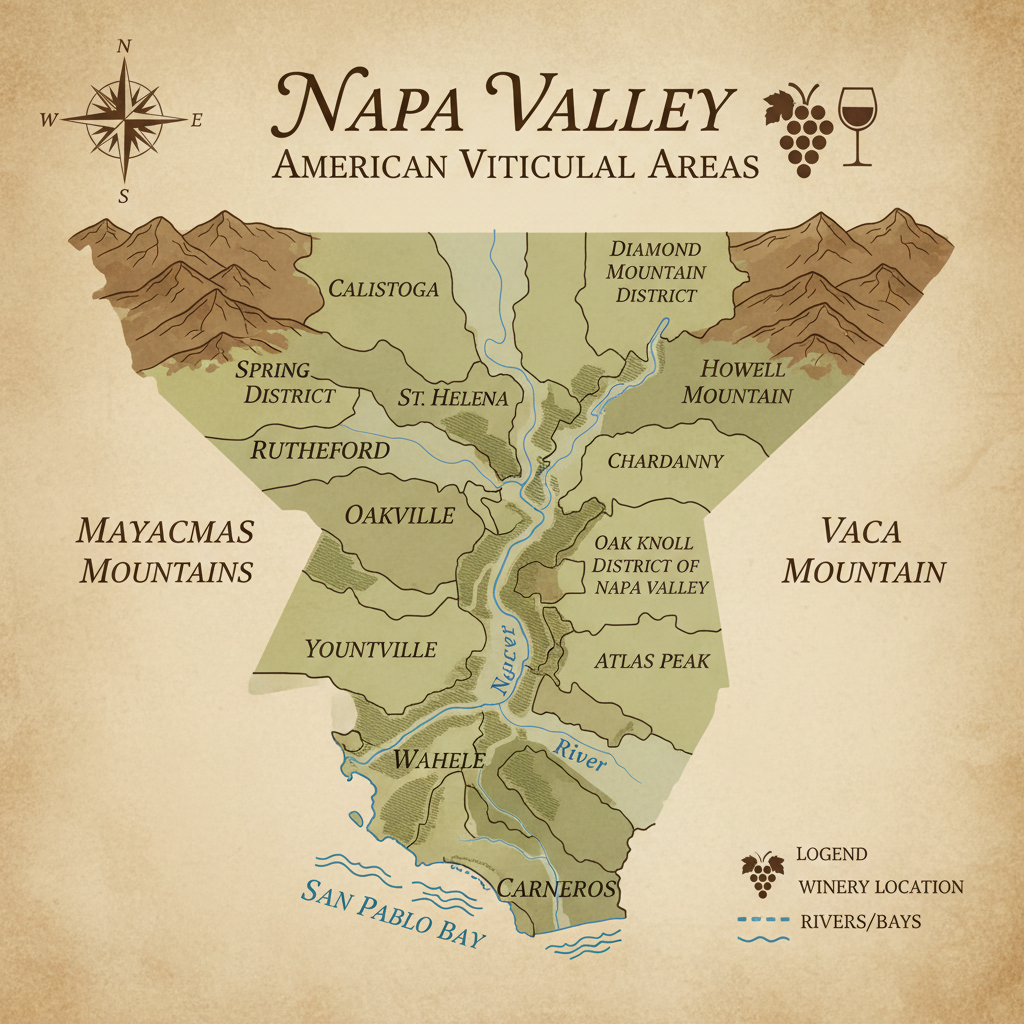
What Is an AVA?
An American Viticultural Area (AVA) is a federally recognized grape-growing region with unique geographic and environmental characteristics. Think of an AVA as a neighborhood within Napa Valley. Each neighborhood has its own climate, soils, elevation, and growing conditions that influence the wines produced there. Today, Napa Valley is home to 16 officially recognized AVAs, each contributing its own personality to the wines you'll taste. You don't need to memorize them all before your trip, but having a basic understanding makes winery visits much more meaningful.
Los Carneros
Located at the southern end of Napa Valley near San Pablo Bay, Los Carneros benefits from cool marine breezes and morning fog. Because temperatures remain lower than many other parts of the valley, grapes ripen more slowly, producing elegant wines with bright acidity and fresh fruit flavors. If you enjoy sparkling wine or crisp Chardonnay, this is an excellent region to explore.
- Chardonnay
- Pinot Noir
- Sparkling Wine
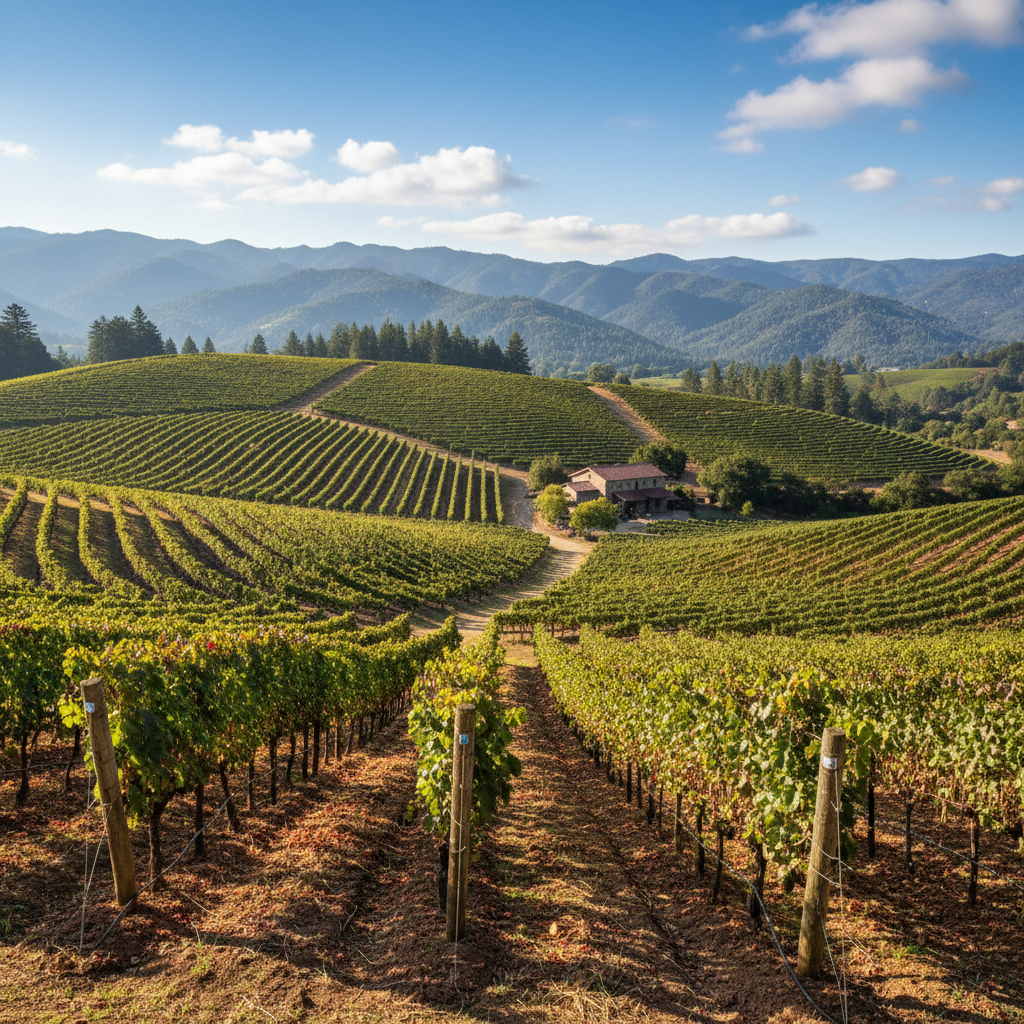
Oak Knoll District
Often overlooked by first-time visitors, Oak Knoll enjoys moderate temperatures and a long growing season. The region produces balanced wines known for their elegance and freshness. Popular varieties include Chardonnay, Merlot, Cabernet Sauvignon, and Sauvignon Blanc.
Yountville AVA
Although many visitors know Yountville for its restaurants and hotels, it's also home to exceptional vineyards. The climate here allows wineries to produce beautifully balanced Cabernet Sauvignon along with several other Bordeaux varieties. Many travelers combine winery visits here with lunch or dinner in downtown Yountville.
Oakville — The Heart of Napa Valley Cabernet
If there's one AVA synonymous with world-class Cabernet Sauvignon, it's Oakville. Many of Napa Valley's most internationally recognized wineries call Oakville home. Warm afternoons combined with cool evenings create ideal growing conditions for powerful yet beautifully balanced Cabernet Sauvignon. For serious Cabernet lovers, Oakville is often considered a must-visit region.
Rutherford
Perhaps no phrase is more famous among Napa Valley wine enthusiasts than "Rutherford Dust." This unique combination of well-drained soils and climate is said to contribute to the distinctive character found in many Rutherford Cabernet Sauvignons. Expect wines with rich dark fruit, structured tannins, earthy complexity, and excellent aging potential. Rutherford is one of the defining regions of Napa Valley.
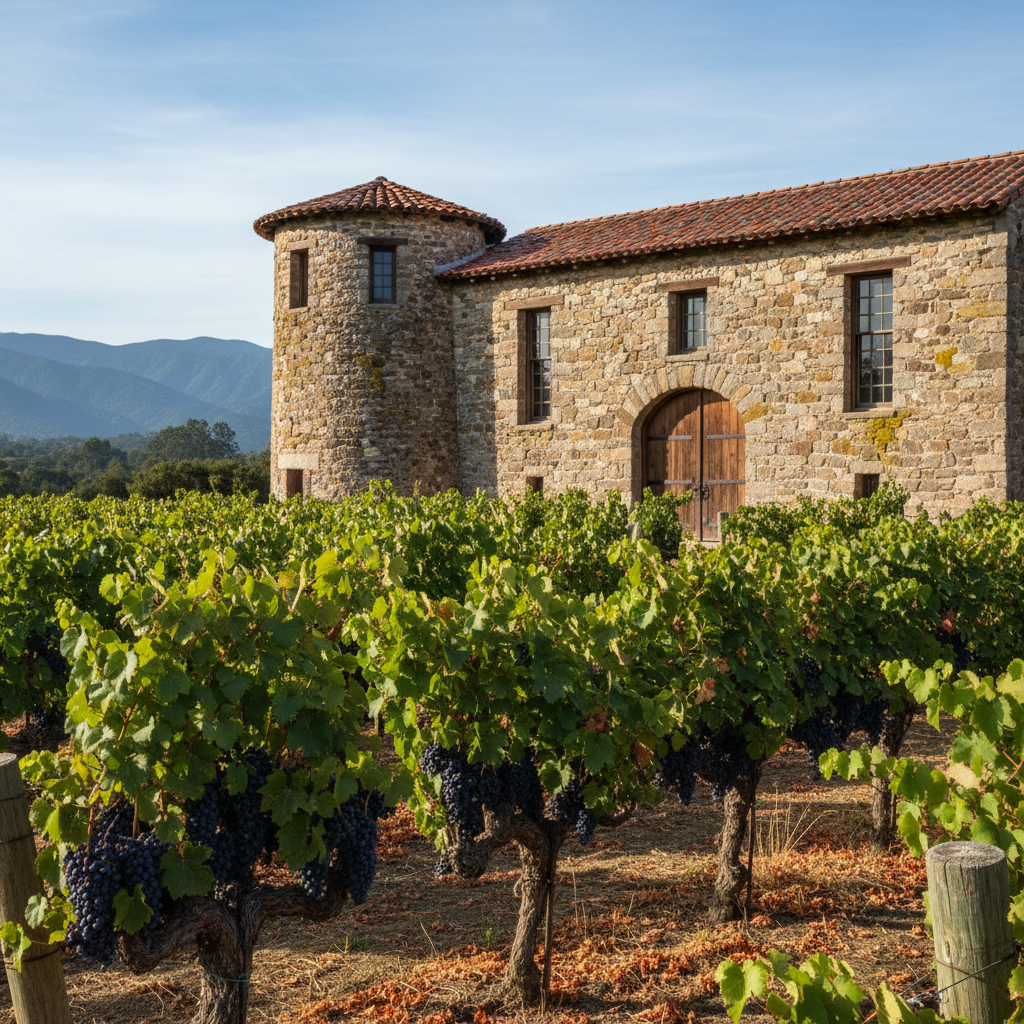
Stags Leap District
Despite being geographically small, Stags Leap District has earned an enormous reputation. Its Cabernet Sauvignon often combines remarkable power with elegance. The volcanic soils and afternoon cooling breezes create wines that are both concentrated and refined. Wine lovers frequently describe Stags Leap Cabernet as approachable when young while also capable of aging beautifully.
St. Helena
St. Helena offers warm daytime temperatures balanced by cool evenings. The area is known for producing outstanding Cabernet Sauvignon, Merlot, and Zinfandel. Visitors also appreciate the charming downtown, making it easy to combine winery visits with shopping and dining.
Calistoga
At the northern end of Napa Valley, Calistoga experiences some of the warmest daytime temperatures in the region. These conditions allow grapes to develop rich flavors and excellent concentration. Calistoga wineries are particularly popular with visitors looking for bold red wines and scenic mountain surroundings.
Howell Mountain
Moving into Napa Valley's mountain AVAs, Howell Mountain sits above much of the valley fog. Higher elevations, cooler nights, and volcanic soils contribute to Cabernet Sauvignon known for intense color, powerful structure, dark fruit flavors, and exceptional aging potential. Mountain wines often display a noticeably different character from valley-floor wines.
Atlas Peak
Located on Napa Valley's eastern hillsides, Atlas Peak combines elevation with rocky volcanic soils. The result is wines with excellent concentration and distinctive minerality. Cabernet Sauvignon dominates plantings here, although several other varieties also perform exceptionally well.
Mount Veeder
Mount Veeder's steep slopes and cooler climate create smaller grape yields but exceptional quality. The wines often display concentrated fruit, earthy complexity, bright acidity, and long aging potential. Visitors who enjoy mountain-grown Cabernet frequently seek out wineries in this region.
Spring Mountain District
Spring Mountain combines higher elevation with cooler temperatures, producing wines that emphasize elegance and balance alongside impressive structure. Its winding roads and forested landscape also provide a very different visual experience from the valley floor.
Diamond Mountain District
This small mountain AVA produces limited quantities of highly regarded Cabernet Sauvignon. Its volcanic soils contribute depth, complexity, and excellent aging characteristics.
Coombsville
Located just east of the City of Napa, Coombsville has quickly gained recognition for producing elegant Cabernet Sauvignon influenced by cooler temperatures and volcanic soils. Many wine professionals consider Coombsville one of Napa Valley's rising stars.
Why Should Visitors Care About AVAs?
Understanding AVAs transforms winery visits. Instead of simply tasting wine, you'll begin noticing how location influences flavor. You may discover that you consistently enjoy mountain-grown Cabernet. Or perhaps cooler-climate Chardonnay becomes your favorite. Every tasting becomes an opportunity to learn a little more about your own preferences. That's one of the joys of visiting Napa Valley.
Ride Eaze Local Know-How
If you're spending multiple days in Napa Valley, consider dedicating each day to a different region rather than driving from one end of the valley to the other. For example: Day One — Carneros and Yountville; Day Two — Oakville and Rutherford; Day Three — St. Helena and Calistoga. Grouping wineries by location reduces driving time, creates a more relaxed pace, and allows you to appreciate how each AVA develops its own personality.
Quick AVA Guide
| AVA | Known For |
|---|---|
| Los Carneros | Chardonnay, Pinot Noir, Sparkling Wine |
| Oak Knoll | Balanced Bordeaux varieties |
| Yountville | Elegant Cabernet Sauvignon |
| Oakville | World-famous Cabernet Sauvignon |
| Rutherford | Cabernet Sauvignon and "Rutherford Dust" |
| Stags Leap District | Elegant, age-worthy Cabernet Sauvignon |
| St. Helena | Cabernet Sauvignon, Merlot, Zinfandel |
| Calistoga | Bold reds and warm climate wines |
| Howell Mountain | Mountain Cabernet Sauvignon |
| Atlas Peak | Volcanic soils and structured reds |
| Mount Veeder | Concentrated mountain wines |
| Spring Mountain | Elegant mountain-grown wines |
| Diamond Mountain | Powerful Cabernet Sauvignon |
| Coombsville | Cool-climate Cabernet Sauvignon |
One of the greatest pleasures of visiting Napa Valley is discovering that every region tells a different story. The more you learn about the valley's AVAs, the more rewarding each tasting becomes. You don't have to become a wine expert to appreciate the differences. Simply paying attention to where a wine was grown adds another layer of enjoyment to every winery visit.
Understanding Napa Valley Wines: A Beginner's Guide to What You'll Taste
One of the most exciting parts of visiting Napa Valley is discovering wines you may have never experienced before. For first-time visitors, however, the number of grape varieties, tasting notes, and wine descriptions can feel intimidating. The good news is that you don't need to know anything about wine to enjoy Napa Valley. Wine is personal. There are no wrong answers. Understanding a few of Napa Valley's most important grape varieties simply helps you appreciate what you're tasting and makes winery visits even more enjoyable.
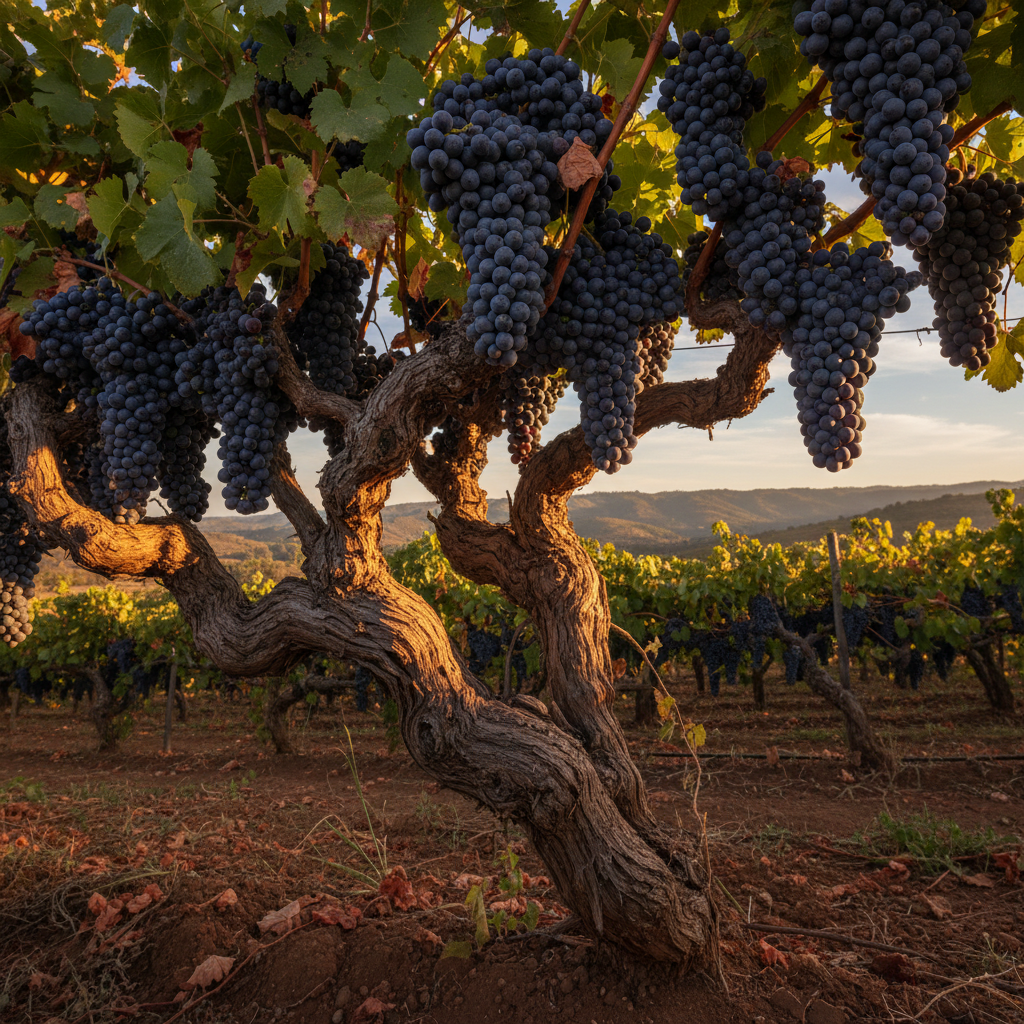
Cabernet Sauvignon — The King of Napa Valley
If Napa Valley had an official signature wine, it would undoubtedly be Cabernet Sauvignon. This variety has made Napa Valley internationally famous and consistently ranks among the world's finest expressions of Cabernet. What makes Napa Valley Cabernet unique is its remarkable balance between power and elegance. Depending on where the grapes are grown, you may notice flavors such as black cherry, blackberry, black currant, plum, cocoa, cedar, vanilla, tobacco, and baking spices. Some Cabernets are approachable immediately, while others are crafted with decades of aging potential. If you're only trying one wine during your visit, Cabernet Sauvignon should be at the top of your list.
Chardonnay
Although Cabernet receives much of the attention, Napa Valley also produces exceptional Chardonnay. Styles range from bright, crisp, and mineral-driven to rich, creamy wines aged in oak barrels. Common flavor notes include apple, pear, citrus, lemon zest, peach, pineapple, vanilla, toast, and butter. Visitors who enjoy white wine often discover that Napa Valley Chardonnay offers tremendous diversity.
Sauvignon Blanc
Fresh, vibrant, and refreshing, Sauvignon Blanc is an excellent choice for warm afternoons. Many wineries pour it as the first wine of the tasting because of its crisp acidity and lively fruit character. Expect flavors like grapefruit, lime, green apple, melon, passion fruit, and fresh herbs. It's a perfect wine to enjoy on outdoor patios overlooking vineyards.
Merlot
Merlot often surprises visitors. While it sometimes lives in Cabernet's shadow, Napa Valley produces outstanding Merlot with impressive richness and depth. Typical characteristics include plum, black cherry, chocolate, soft tannins, and a silky texture. For guests looking for a smooth, approachable red wine, Merlot is an excellent choice.
Pinot Noir
Although Pinot Noir is more commonly associated with cooler regions, several Napa Valley wineries—particularly those near Los Carneros—produce beautiful examples. Pinot Noir typically offers cherry, raspberry, strawberry, earthy notes, and floral aromas. Its lighter body makes it especially versatile with food.
Zinfandel
Long before Napa Valley became internationally famous for Cabernet Sauvignon, Zinfandel played an important role in California winemaking. Modern Napa Valley Zinfandel often displays blackberry, raspberry, pepper, baking spices, and jammy fruit. It's a fun wine for visitors looking to experience something different.
Sparkling Wine
Many visitors don't realize Napa Valley is also home to world-class sparkling wine. Produced primarily in the cooler Los Carneros region, these wines range from bright and refreshing to rich and complex. Sparkling wine is a wonderful way to begin a tasting day or celebrate a special occasion.
Rosé
Rosé has become increasingly popular in Napa Valley, especially during spring and summer. These refreshing wines often feature strawberry, watermelon, citrus, and floral aromas. Served chilled, they're perfect for warm afternoons and outdoor lunches.
Dessert Wines
While less common than red and white wines, dessert wines provide a memorable finish to some tasting experiences. These wines typically feature concentrated fruit flavors balanced by vibrant acidity, making them ideal alongside desserts or artisan cheeses.
How to Taste Wine Like a Local
You don't need to memorize tasting notes or learn complicated terminology. Instead, keep the experience simple. Most tastings follow a similar progression.
- Look — Notice the wine's color and clarity. Young white wines often appear pale straw or light gold. Red wines range from ruby to deep purple.
- Swirl — Gently swirling the wine helps release aromas. Everyone learns with practice.
- Smell — Take a slow breath and notice the aromas. If something reminds you of blackberries, vanilla, fresh herbs, or flowers, that's perfectly valid.
- Taste — Take a small sip. Allow the wine to coat your palate before swallowing. Think about sweetness, acidity, body, fruit flavors, and finish.
- Ask yourself: Do I enjoy it? That's all that really matters.
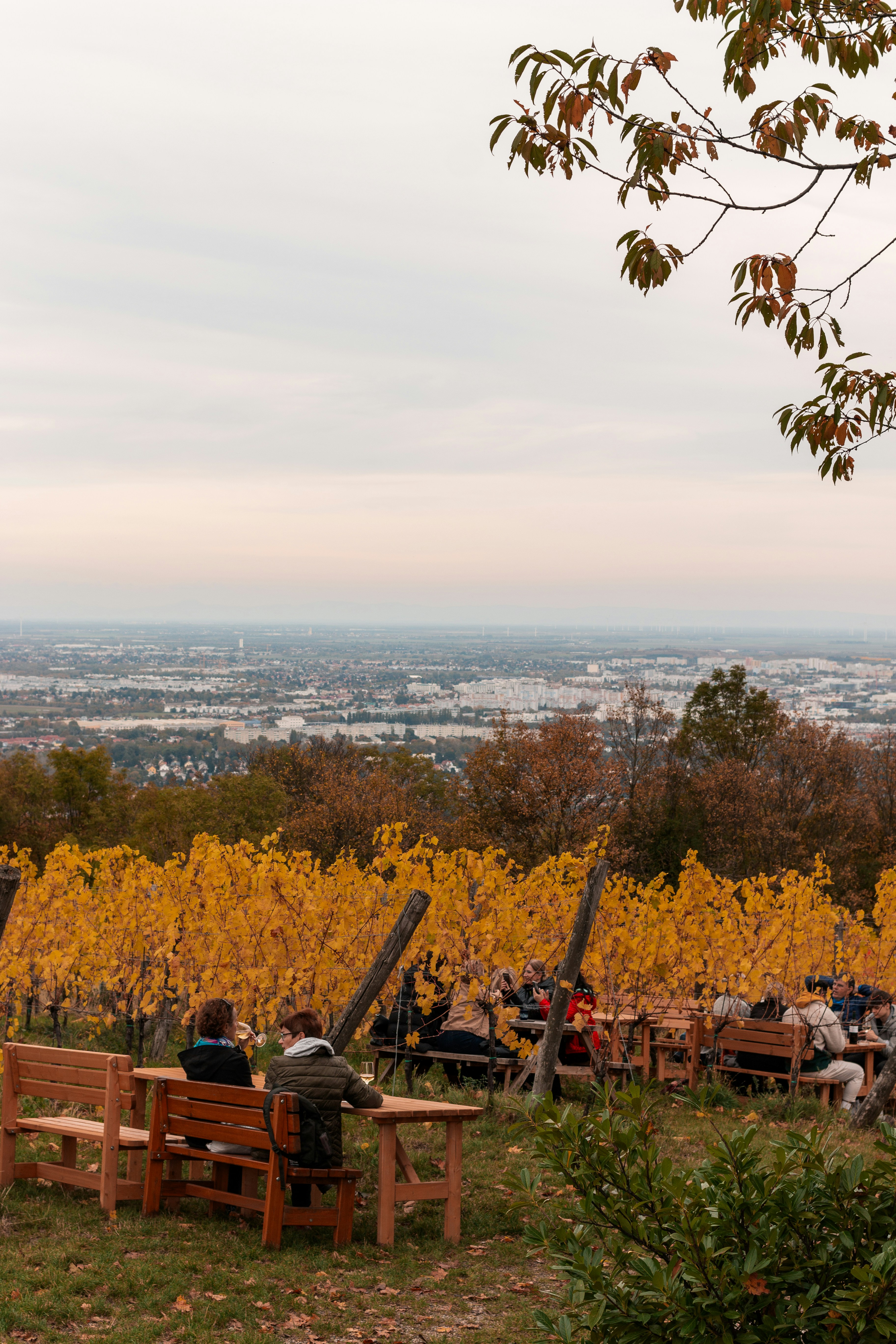
Wine Tasting Etiquette
Fortunately, wine country is much more welcoming than many first-time visitors expect. A few simple guidelines will help you feel comfortable: arrive on time, ask questions, drink water between tastings, respect reservation times, pace yourself, thank your tasting host, and purchase wine if you've had an exceptional experience and wish to support the winery. Remember that winery staff genuinely enjoy introducing visitors to their wines. Curiosity is always appreciated.
Common Wine Terms You'll Hear
- Vintage — The year the grapes were harvested.
- Estate Grown — Grapes grown on land owned or controlled by the winery.
- Reserve — A winery's premium wine designation.
- Tannins — Natural compounds that create structure and texture in red wines.
- Body — How light or full the wine feels in your mouth.
- Finish — The flavors that remain after swallowing.
Ride Eaze Local Know-How
Many guests arrive convinced they'll only enjoy Cabernet Sauvignon. By the end of the day, they've discovered a Chardonnay, Sauvignon Blanc, or sparkling wine they absolutely love. Keep an open mind. One of the greatest joys of Napa Valley is discovering wines you never expected to enjoy.
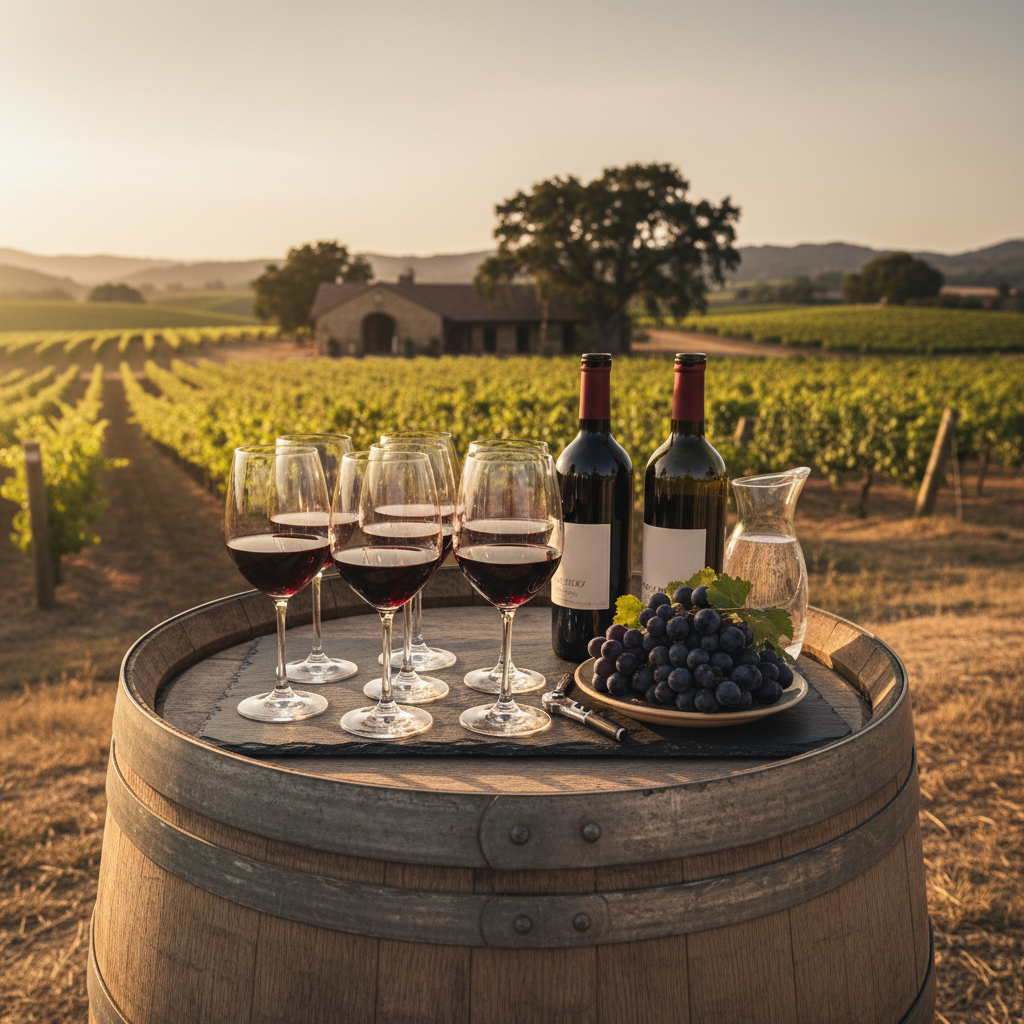
Wine tasting shouldn't feel intimidating. It should feel enjoyable. The purpose of visiting Napa Valley isn't to impress anyone with wine knowledge. It's to discover new favorites, ask questions, appreciate craftsmanship, and create unforgettable memories. The more wines you try, the more you'll begin recognizing your own preferences. That's when wine country becomes truly personal.
Where to Eat in Napa Valley: A Local's Guide to the Best Restaurants, Cafés, Bakeries, and Hidden Gems
One of the biggest surprises for first-time visitors is discovering that Napa Valley isn't just one of the world's great wine destinations—it's also one of America's premier culinary regions. From casual cafés serving freshly baked pastries to Michelin-starred restaurants recognized around the world, nearly every meal in Napa Valley has the potential to become a highlight of your trip.
Rather than listing dozens of restaurants in no particular order, this guide organizes dining by the type of experience you want.
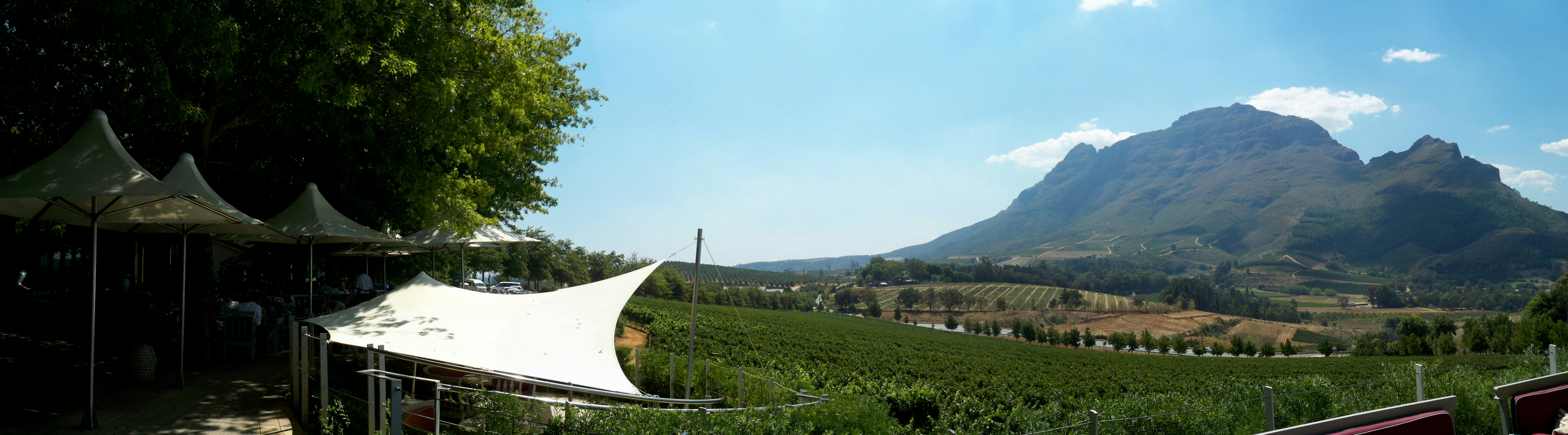
Best Restaurants for a Romantic Dinner
Napa Valley has become one of California's most popular destinations for anniversaries, engagements, honeymoons, and weekend escapes. A memorable dinner is often the perfect way to end a day of wine tasting. Look for restaurants offering seasonal tasting menus, outdoor vineyard views, candlelit dining rooms, local wine lists, exceptional service, and farm-to-table cuisine. Reservations are highly recommended, especially on weekends.
Best Casual Lunch Spots
A great lunch doesn't have to be formal. In fact, some of the valley's most memorable meals are found in casual cafés, bakeries, and local delis. Ideal lunch options include artisan sandwiches, fresh salads, wood-fired pizza, seasonal soups, gourmet burgers, and charcuterie boards. A relaxed lunch also helps pace your tasting day and gives everyone a chance to recharge before the afternoon.
Fine Dining Experiences
For visitors celebrating a milestone, Napa Valley offers some of the finest dining in North America. Many restaurants emphasize multi-course tasting menus, local ingredients, creative wine pairings, exceptional presentation, and seasonal menus. These experiences often become reservations you'll remember for years. If fine dining is part of your trip, reserve your table as early as possible.
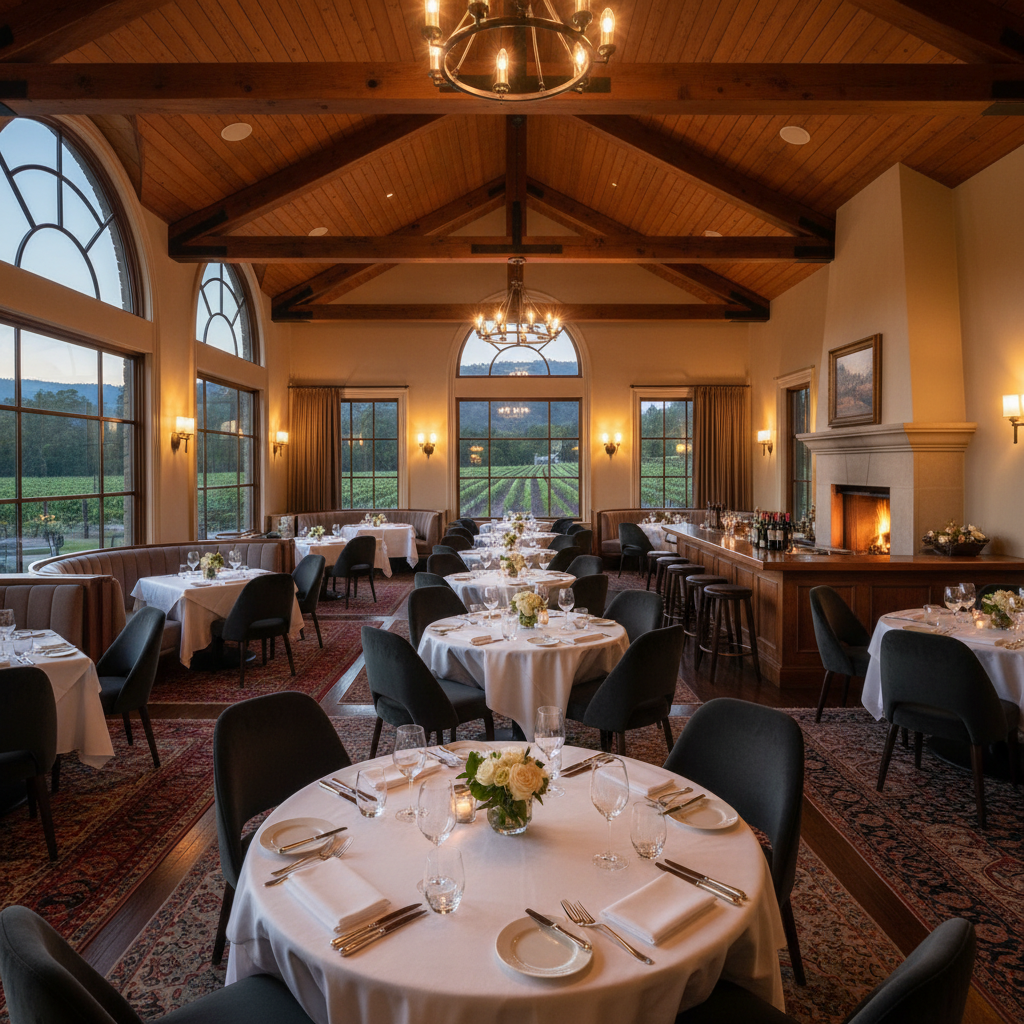
Outdoor Dining
One of the simplest pleasures of visiting Napa Valley is enjoying a meal outdoors. Whether you're overlooking vineyards, dining beneath mature oak trees, or watching the sunset from a patio, the setting often becomes just as memorable as the food. Spring, summer, and early fall are particularly popular seasons for outdoor dining.
Best Places for Breakfast
Before beginning a day of wine tasting, start with a proper breakfast. Popular choices include local bakeries, coffee shops, farm-to-table cafés, and hotel restaurants. A satisfying breakfast provides energy for the day while making the first winery visit even more enjoyable.
Bakeries You Shouldn't Miss
Fresh pastries, artisan bread, croissants, and locally made desserts have become staples of Napa Valley mornings. Stopping at a bakery before your first winery visit is a tradition many returning visitors continue every trip. Don't be surprised if a simple pastry becomes one of your favorite memories.

Farm-to-Table Dining
Fresh, seasonal ingredients are at the heart of Napa Valley cuisine. Menus frequently change based on what's available from nearby farms, orchards, ranches, and artisan producers. Expect to find seasonal vegetables, local cheeses, fresh herbs, sustainable seafood, premium meats, and house-made desserts. The connection between agriculture and hospitality is one of the defining characteristics of Napa Valley dining.
Planning Meals Around Wine Tastings
One of the smartest ways to build your itinerary is by treating meals as an essential part of the experience—not simply something to squeeze between appointments. A well-planned day often looks like this: morning winery, relaxed lunch, afternoon winery, dinner. Trying to fit multiple tastings around a rushed meal usually leaves everyone feeling hurried. Instead, allow lunch to become part of the day's enjoyment.
Should You Make Reservations?
In almost every case: yes. Popular restaurants can fill weeks—or even months—in advance during peak travel seasons. If there's a restaurant you're excited to experience, reserve it as soon as your travel dates are finalized.
Ride Eaze Local Know-How
One thing we often recommend is choosing restaurants that naturally fit your winery itinerary. Instead of driving across the valley for lunch, select a restaurant near your morning or afternoon reservations. You'll spend less time in the vehicle and more time enjoying wine country. It's a simple adjustment that makes the entire day feel more relaxed.
Dining Tips
- ✓Drink water between tastings.
- ✓Allow extra travel time.
- ✓Don't overbook your afternoon.
- ✓Leave room for dessert.
- ✓Ask your server for local recommendations.
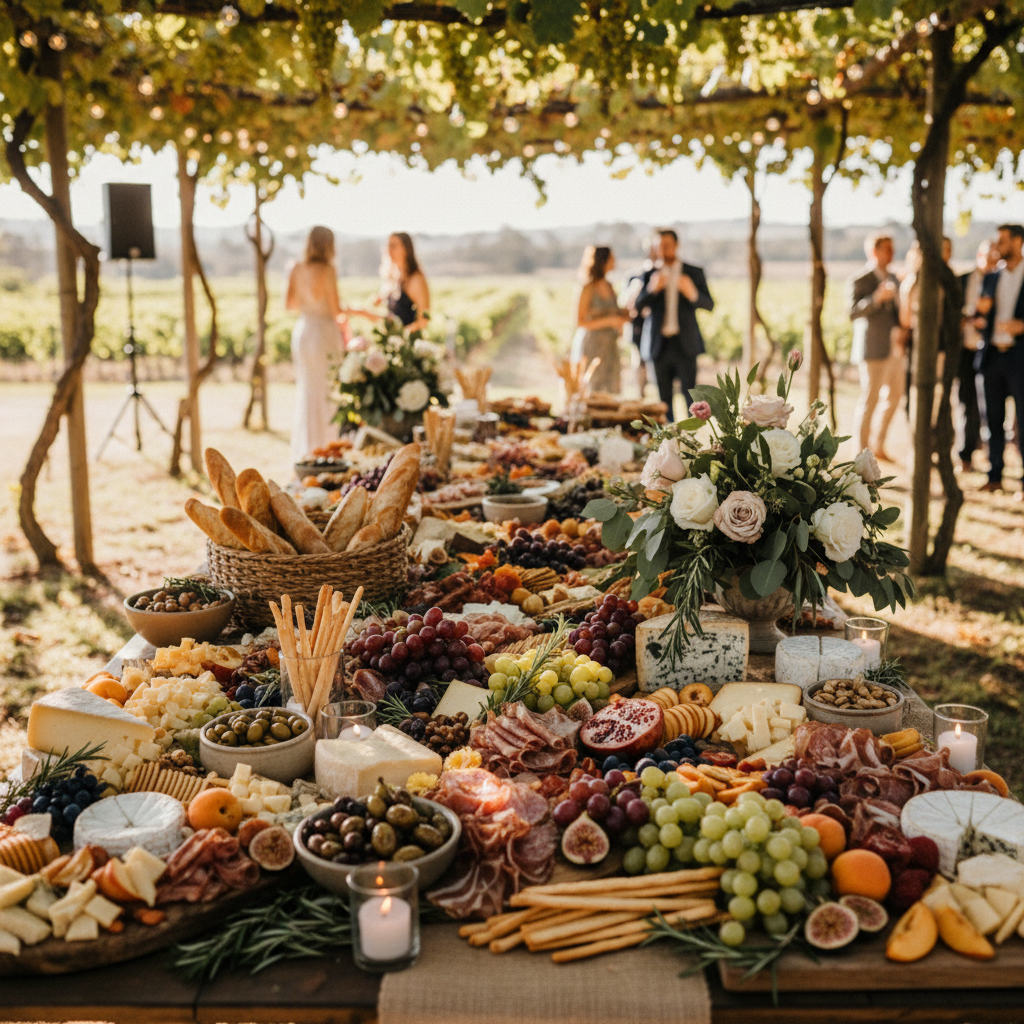
Napa Valley's culinary scene is every bit as impressive as its wine. Whether you're enjoying a simple breakfast at a neighborhood bakery, sharing lunch overlooking vineyards, or celebrating with an unforgettable tasting menu, every meal becomes another opportunity to experience the region's remarkable hospitality. Slow down. Take your time. Savor the conversation as much as the food.
Hidden Gems in Napa Valley: 30 Incredible Experiences Most Visitors Miss
One of the biggest misconceptions about Napa Valley is that every vacation revolves entirely around wine tasting. While the wineries are undoubtedly the main attraction, some of the most memorable experiences happen away from the tasting room. In fact, many returning visitors intentionally leave room in their itinerary to discover the places that don't always appear on "Top 10" lists. These hidden gems add variety to your trip, provide a break between tastings, and often become the moments you'll remember most.
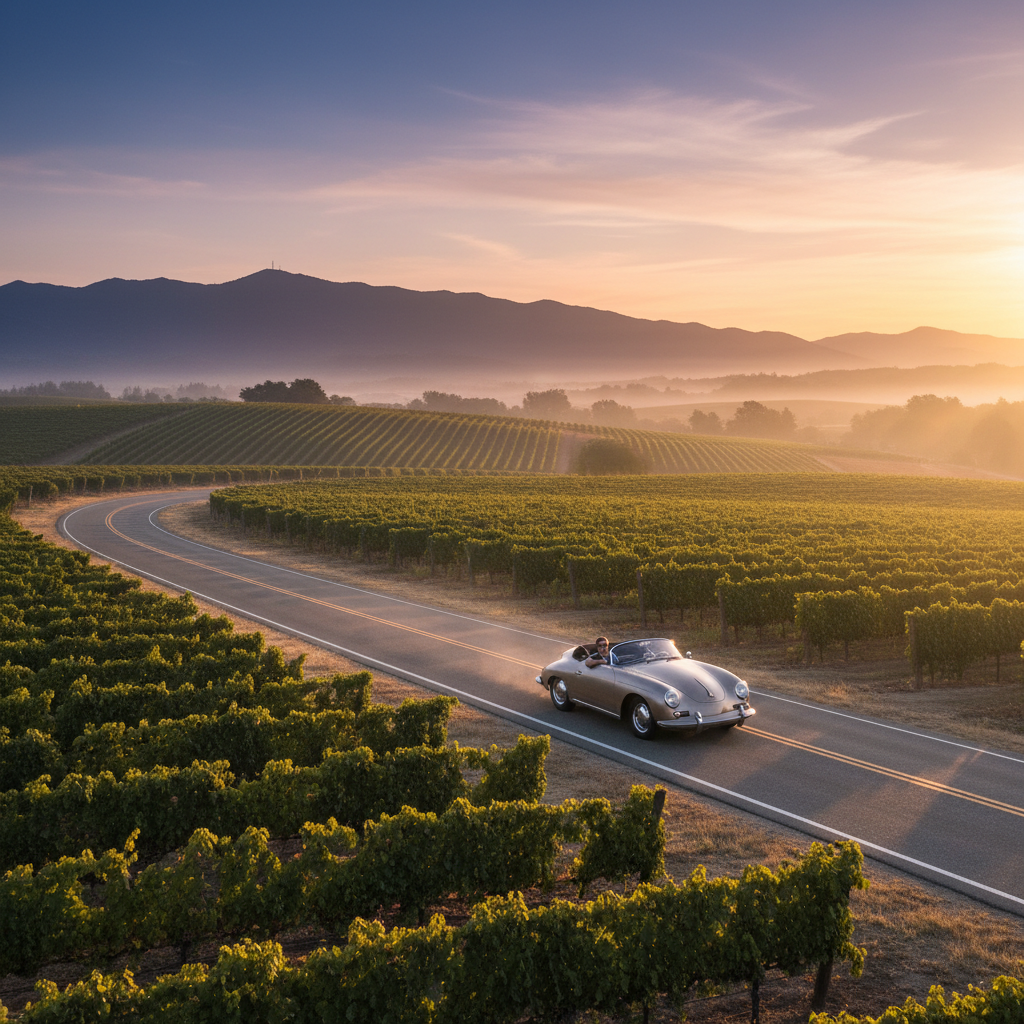
1. Drive the Silverado Trail
While Highway 29 receives most of the traffic, Silverado Trail offers a quieter and more scenic alternative. Rolling vineyards, historic wineries, beautiful mountain views, and fewer stoplights create one of the most enjoyable drives in Northern California. If your schedule allows, take the scenic route.
2. Watch the Sunrise Over the Vineyards
Most visitors don't see Napa Valley until mid-morning. That's a mistake. Early mornings are peaceful, the lighting is spectacular, and vineyards often appear almost untouched before the day's visitors arrive. Bring a coffee and enjoy the quiet.
3. Explore Downtown Napa Before the Crowds
Downtown Napa feels completely different early in the morning. Coffee shops open, sidewalks remain quiet, and local businesses begin preparing for the day. It's one of the best times to experience the town at a slower pace.
4. Visit Local Bakeries
Fresh croissants. Artisan bread. Seasonal pastries. Many visitors focus exclusively on wineries and overlook Napa Valley's outstanding bakeries. They're well worth a stop before your first tasting.
5. Discover Boutique Shops
From handcrafted home décor to artisan foods and locally made gifts, Napa Valley's downtown shopping districts offer far more than souvenirs. Take time to browse. You may discover something you weren't expecting.
6. Stop at Scenic Vineyard Overlooks
Not every beautiful view requires a winery reservation. Throughout Napa Valley you'll find roadside viewpoints, vineyard vistas, and quiet country roads perfect for photography. Always pull over safely and respect private property.
7. Enjoy a Relaxed Picnic
Rather than rushing from one tasting to another, consider enjoying a picnic surrounded by wine country scenery. Many local markets offer gourmet picnic items perfect for an unforgettable afternoon.
8. Visit an Olive Oil Producer
Wine isn't Napa Valley's only agricultural specialty. Several producers offer tastings featuring locally crafted olive oils, vinegars, and gourmet products. It's an excellent change of pace.
9. Explore Local Art Galleries
Downtown Napa, Yountville, and St. Helena feature galleries showcasing regional artists alongside nationally recognized works. Even a short visit adds another dimension to your trip.
10. Take a Scenic Walk
Sometimes the best activity requires no reservation at all. Walk through downtown Yountville. Stroll historic St. Helena. Explore Napa Riverfront. Slow down and simply enjoy the surroundings.
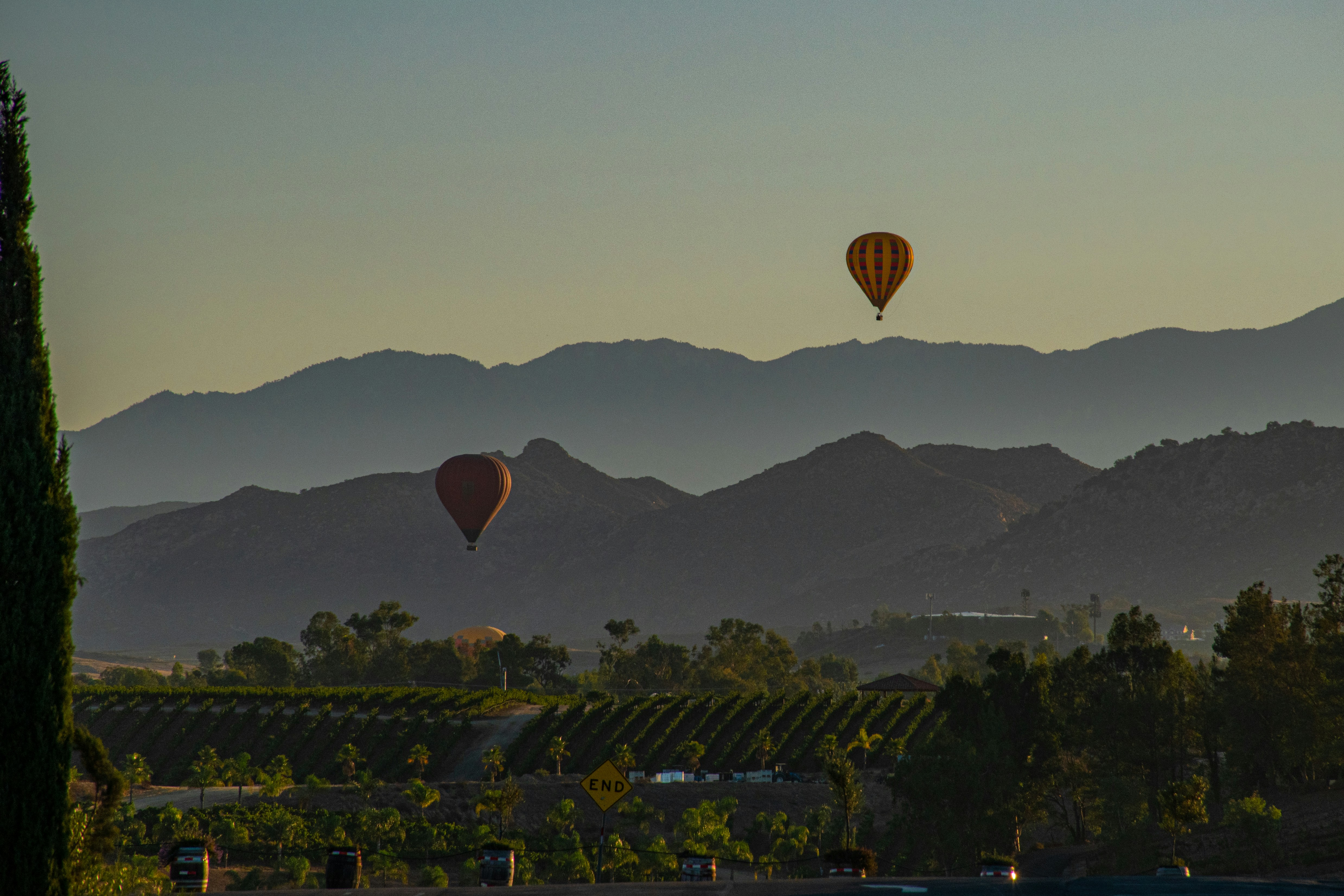
11. Visit During the Week
Weekdays often provide smaller crowds, easier reservations, more personal tastings, quieter roads, and a more relaxed atmosphere. If your schedule allows, Tuesday through Thursday can be wonderful times to visit.
12. Shop Local Markets
Farm stands and specialty food shops offer fresh produce, artisan cheeses, chocolates, honey, olive oils, and locally made products that make excellent gifts.
13. Watch the Hot Air Balloons
Even if you don't take a balloon ride yourself, watching dozens of colorful balloons drift across Napa Valley at sunrise is unforgettable. It's one of the valley's most iconic sights.
14. Visit a Local Coffee Roaster
Several independent coffee shops roast exceptional beans and provide a relaxing way to begin your morning.
15. Take the Long Way
GPS usually recommends the fastest route. Sometimes the slower road offers the better experience. Scenic drives through vineyards often become highlights of the day.
16. Visit During Harvest
Seeing grape bins, harvest crews, and working wineries provides an entirely different appreciation for wine country.
17. Ask Winery Staff for Recommendations
Nobody knows Napa Valley better than the people who work there every day. Ask where they enjoy lunch. Ask which small winery they recommend. Those local suggestions often lead to unforgettable discoveries.
18. Visit Multiple Towns
Don't spend your entire trip in one location. Downtown Napa, Yountville, St. Helena, and Calistoga each offer their own personality.
19. Browse Local Bookstores
Independent bookstores often feature excellent selections of regional history, wine education, and California travel books.
20. Enjoy Sunset Instead of Another Winery
Many visitors schedule wineries until closing time. Instead, consider ending one day with a scenic overlook or outdoor dinner while watching the sun disappear behind the vineyards. It's a wonderful way to finish the day.
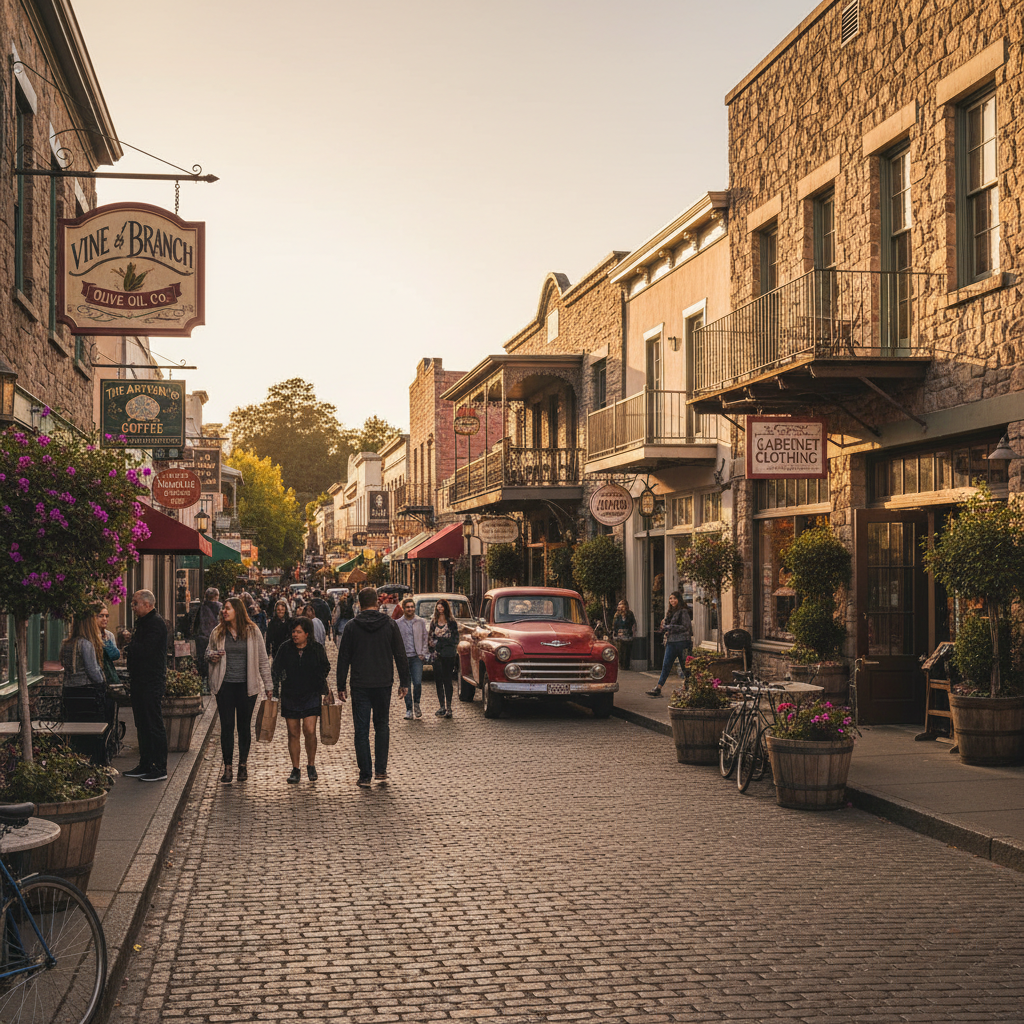
21. Visit During Different Seasons
Napa Valley changes dramatically throughout the year. Returning during another season often feels like visiting an entirely different destination.
22. Learn About Winemaking
Take time to ask questions. How are barrels made? Why does oak matter? What determines harvest dates? Understanding the process makes every tasting more meaningful.
23. Try Something New
If you usually drink Cabernet Sauvignon, try Sauvignon Blanc. If you always order Chardonnay, explore sparkling wine. Your next favorite bottle may surprise you.
24. Support Family-Owned Wineries
Some of Napa Valley's most memorable hospitality comes from smaller producers who focus on personal connections rather than large crowds.
25. Enjoy the Quiet Moments
Not every memorable experience involves an activity. Sometimes it's simply sitting beneath an oak tree overlooking vineyards with nowhere else to be.
26. Explore Beyond the Main Highway
Some of Napa Valley's prettiest roads receive very little traffic. Take your time and enjoy the journey.
27. Photograph More Than Wine
Capture vineyards, architecture, olive trees, historic buildings, mountains, sunrises, and local streets. These images often tell the story of your trip better than photos of wine glasses alone.
28. Leave Space in Your Schedule
Resist the temptation to fill every hour. Your favorite memory may come from something you never planned.
29. Talk With Locals
Whether it's your hotel concierge, restaurant server, winery host, or driver, local recommendations often lead to experiences you won't find in guidebooks.
30. Plan Your Return Visit
Before leaving, make a list of wineries you'd like to revisit, restaurants you missed, towns you'd like to explore further, and experiences you'd like to try next time. Chances are, you'll already be thinking about your next Napa Valley vacation before the first one ends.
Ride Eaze Local Know-How
One thing we've learned over the years is that the guests who enjoy Napa Valley the most are rarely the ones trying to see everything. They're the ones who remain curious. They ask questions. They leave room for unexpected discoveries. They appreciate the drive as much as the destination. That's the spirit of wine country.
Hidden gems aren't always hidden because they're difficult to find. Sometimes they're hidden because people are simply too busy rushing to the next reservation. Slow your pace. Explore beyond the obvious. Talk with locals. Take the scenic route. Those choices often create the most memorable moments of your entire Napa Valley vacation.
Napa Valley for Every Traveler: The Perfect Wine Country Experience No Matter Who You're Traveling With
One of the reasons Napa Valley continues to attract millions of visitors every year is that no two vacations ever look exactly alike. Some people come to celebrate life's biggest milestones. Others arrive looking for a quiet weekend away from busy schedules. Some visitors are passionate about wine, while others simply want beautiful scenery, outstanding food, and time with the people they love. The best Napa Valley itinerary isn't built around someone else's recommendations—it's built around your reason for visiting.

Napa Valley for Couples
Wine country has earned its reputation as one of California's most romantic destinations. Tree-lined roads, boutique hotels, intimate wineries, world-class restaurants, and spectacular sunsets naturally create an unforgettable setting for couples. Perfect experiences include boutique winery tastings, private vineyard tours, couples' spa treatments, outdoor dining overlooking vineyards, scenic drives along Silverado Trail, and sunset walks through Yountville or downtown Napa. Suggested trip length: two to three days — long enough to slow down and truly enjoy the experience.
Honeymoons & Anniversaries
Celebrating a milestone? Napa Valley is one of the best places in the country to do it. Many couples choose to elevate the experience with luxury accommodations, reserve wine tastings, Michelin-starred dinners, private transportation, spa experiences, and hot air balloon rides. Instead of filling every hour with activities, leave plenty of room to simply enjoy being together.
Girls' Weekend
Napa Valley has become one of the country's most popular destinations for girls' trips—and for good reason. Excellent wine, outstanding restaurants, beautiful hotels, shopping, relaxing spas, and picture-perfect scenery. Great activities include sparkling wine tastings, boutique shopping, outdoor lunches, wine caves, spa afternoons, and rooftop cocktails. The goal isn't to rush. It's to laugh, reconnect, and celebrate.
Bachelor & Bachelorette Trips
Wine country offers a more relaxed alternative to traditional bachelor and bachelorette destinations. Instead of crowded nightlife, many groups enjoy private winery experiences, scenic lunches, group dinners, comfortable transportation, and luxury accommodations. The result is a celebration that feels sophisticated while still being incredibly fun.
Family Gatherings
Although Napa Valley is best known for wine, families traveling together can still enjoy a wonderful vacation. Many itineraries include scenic drives, local parks, boutique shopping, excellent restaurants, outdoor dining, and farmers markets. For multi-generational trips, balancing winery visits with other activities helps keep everyone engaged.
Corporate Retreats
Napa Valley provides an outstanding setting for company retreats, executive meetings, and client appreciation events. The relaxed atmosphere naturally encourages conversation and relationship building. Popular corporate activities include educational winery tours, private dining, team lunches, scenic transportation, group tastings, and cooking experiences. The combination of hospitality and scenery creates an environment that's productive without feeling overly formal.
Solo Travelers
Traveling alone? You're not alone. Napa Valley is a welcoming destination for solo travelers interested in wine, photography, food, and relaxation. Many solo visitors enjoy guided tastings, walking through downtown Napa, visiting art galleries, coffee shops, scenic drives, and boutique wineries. Don't hesitate to ask winery hosts questions. Many solo travelers discover that conversations become one of the highlights of their trip.
Luxury Travelers
If you're looking for a truly elevated experience, Napa Valley delivers. Luxury travelers often build itineraries around five-star resorts, reserve tastings, Michelin-starred restaurants, private vineyard tours, chauffeured transportation, spa experiences, and exclusive wine pairings. Luxury in Napa Valley isn't simply about spending more. It's about creating unforgettable experiences with exceptional service.
Budget-Conscious Travelers
A memorable Napa Valley vacation doesn't require an unlimited budget. Many visitors create wonderful trips by traveling mid-week, visiting during winter, staying in boutique hotels, choosing smaller wineries, enjoying casual lunches, and limiting wine purchases. The scenery remains just as beautiful regardless of your budget.
Large Groups
Planning a birthday, reunion, or celebration? Group travel works best when the itinerary remains simple. Rather than trying to coordinate multiple vehicles and packed schedules, focus on shared winery experiences, relaxed lunches, comfortable transportation, and flexible timing. Keeping everyone together allows the day to feel much more enjoyable.
Visitors Who Don't Drink Wine
Believe it or not, Napa Valley can still be an excellent destination. Visitors who don't drink wine often enjoy scenic drives, luxury spas, exceptional restaurants, boutique shopping, olive oil tastings, photography, hiking, and hot air balloon rides. Wine may define the region, but it certainly doesn't define every visitor's experience.
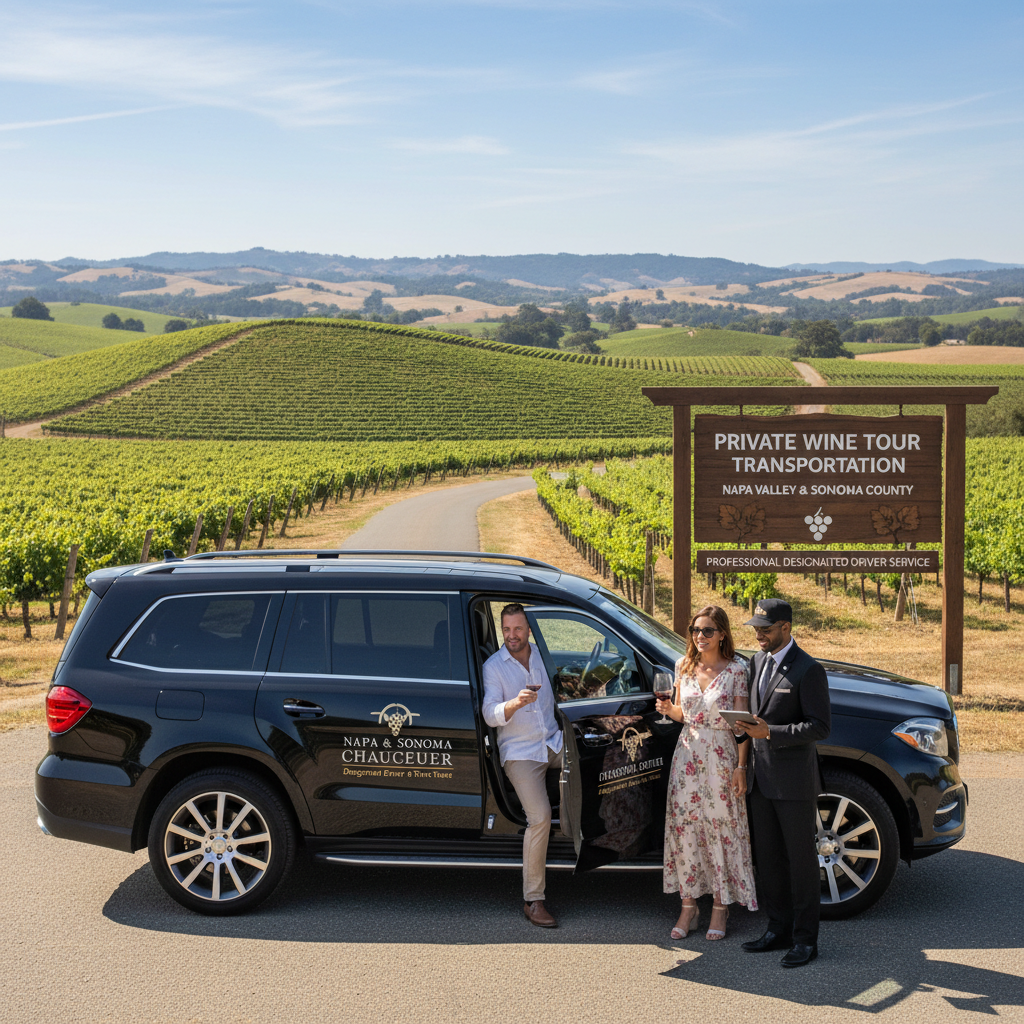
Ride Eaze Local Know-How
One of the biggest planning mistakes we see is trying to copy someone else's itinerary. Every group is different. A honeymoon should feel different from a girls' weekend. A corporate retreat should feel different from a birthday celebration. Instead of asking, "What's the best itinerary?" ask, "What's the best itinerary for us?" That's when Napa Valley becomes truly unforgettable.
Which Traveler Are You?
| Travel Style | Recommended Trip Length | Focus |
|---|---|---|
| Couples | 2–3 Days | Romance & relaxation |
| Honeymoon | 3–4 Days | Luxury experiences |
| Girls' Trip | 2–3 Days | Wine, food & fun |
| Bachelor/Bachelorette | Weekend | Celebration |
| Families | 2–3 Days | Flexible itinerary |
| Corporate Groups | 2–3 Days | Team experiences |
| Solo Travelers | 2 Days | Exploration & learning |
| Luxury Travelers | 3–5 Days | Exclusive experiences |
| Budget Travelers | 2 Days | Value & scenery |
Napa Valley doesn't ask visitors to fit into a single type of vacation. Instead, it adapts to the people who come here. Whether you're celebrating, relaxing, reconnecting, learning, or simply escaping everyday life for a few days, wine country offers a remarkable combination of hospitality, scenery, and experiences that can be shaped around your interests. That's one of the reasons so many visitors return. Every trip feels a little different. And every visit leaves you looking forward to the next one.
Napa Valley Month-by-Month: What to Expect Throughout the Year
One of the questions we hear most often is: "What is Napa Valley like during the month I'm visiting?" While many travel guides group the year into four seasons, planning by month gives you a much better understanding of what to expect. Each month brings subtle changes in weather, vineyard colors, crowd levels, and overall atmosphere. Some travelers dream of experiencing harvest, while others prefer quiet tasting rooms and lower hotel rates. The truth is that Napa Valley offers something special every month of the year.

January
January is one of Napa Valley's calmest months, making it an excellent choice for visitors who want a slower pace and more personal winery experiences. Expect peaceful, quiet, and relaxed days with cool mornings, crisp afternoons, occasional rain, and green hills beginning to emerge.
- Best for couples
- Budget-conscious travelers
- Cozy tasting rooms
- Spa weekends
February
Winter continues, but vineyard landscapes become increasingly vibrant after seasonal rains. Restaurants remain easier to reserve, and tasting rooms often provide more one-on-one conversations with winery staff.
- Valentine's Day getaways
- Relaxed atmosphere
- Excellent hotel availability
- Beautiful green scenery
March
Spring begins arriving across Napa Valley. Vineyards awaken, mustard flowers brighten the landscape, and daytime temperatures become increasingly comfortable. Photography enthusiasts especially appreciate this time of year.
- Scenic drives
- Outdoor tastings
- Couples
- First-time visitors
April
April is one of Napa Valley's hidden gems. The vineyards are lush, temperatures are pleasant, and crowds remain manageable compared to summer. Many locals consider this one of the most enjoyable months to visit.
May
Longer days, beautiful weather, and vibrant vineyards make May one of the most popular months before the busy summer season. Outdoor patios begin filling with visitors enjoying lunch among the vines. Reservations become increasingly important.
June
Summer officially arrives. Days become warmer, restaurants grow busier, and outdoor wine tasting reaches its peak. This is an excellent month for visitors who enjoy sunshine and lively energy.
- Book reservations early.
- Stay hydrated.
- Begin winery visits earlier in the day.
July
July offers long sunny days perfect for exploring wine country. Expect busy weekends, warm afternoons, outdoor dining, and evening walks through downtown Napa. If you're traveling during Independence Day week, reserve accommodations well in advance.
August
Harvest preparations begin. You'll notice increased activity throughout vineyards as wineries prepare for one of the busiest periods of the year. Late August often marks the beginning of grape harvest. The valley starts buzzing with excitement.
September
Many wine lovers consider September the most exciting month in Napa Valley. Harvest is underway. You'll see vineyard crews working early mornings, grape bins arriving at wineries, and the unmistakable aroma of fermentation throughout wine country. Keep in mind that this is also one of the busiest months of the year.
- Wine enthusiasts
- Photography
- Experiencing harvest firsthand
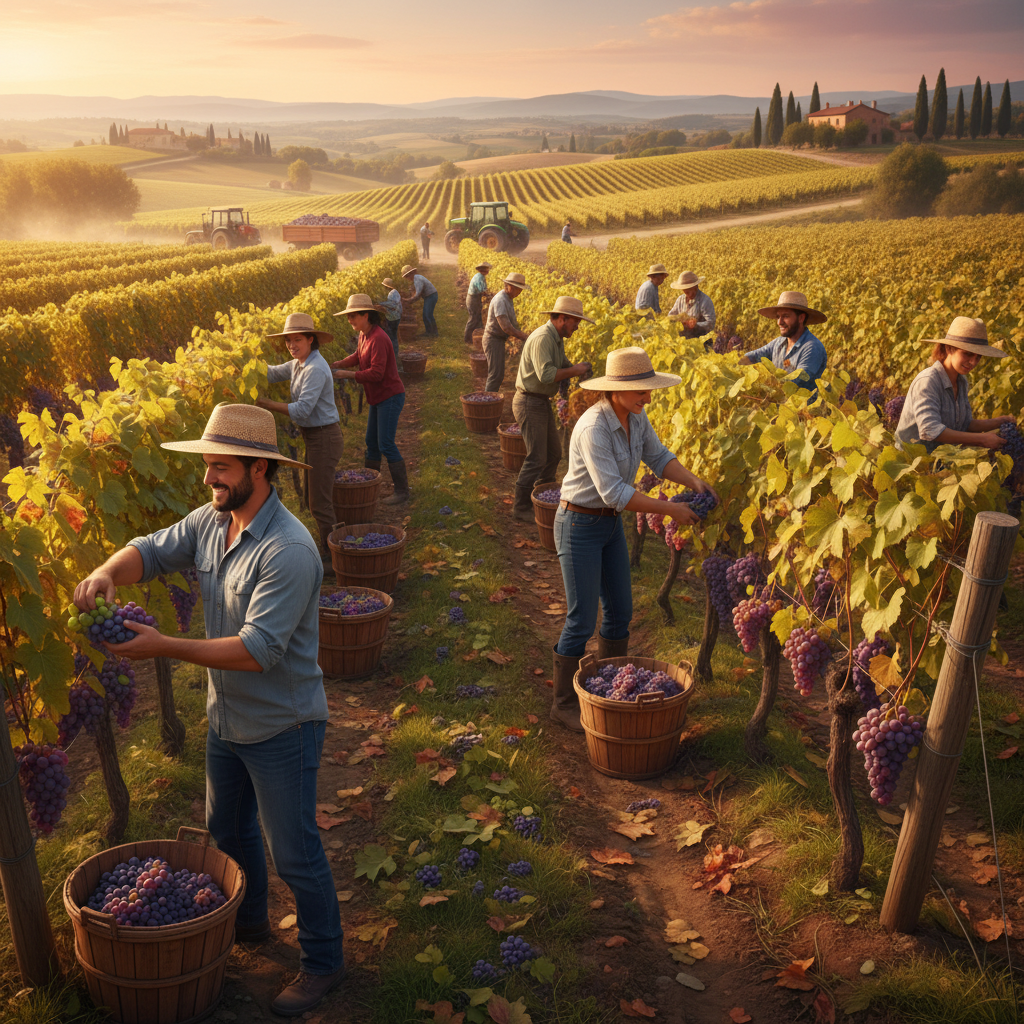
October
Harvest gradually winds down while vineyard colors begin changing. Golden vines, comfortable temperatures, and beautiful scenery make October one of Napa Valley's most photographed months. Reservations remain highly recommended.

November
Autumn colors continue while crowds begin easing after harvest. Many visitors appreciate November because it combines spectacular scenery with a more relaxed pace. Thanksgiving week tends to become busier, so plan accordingly.
December
Napa Valley transforms into a cozy winter destination. Holiday decorations, festive restaurants, fireplaces, and quieter tasting rooms create a completely different atmosphere from the busy harvest season. It's an excellent time for couples seeking a peaceful getaway.
Which Month Is Best?
That depends entirely on your priorities.
Choose January or February if you want:
- Fewer crowds
- Better hotel availability
- Relaxed winery experiences
- Lower travel costs
Choose March through May if you want:
- Green vineyards
- Mild weather
- Comfortable temperatures
- Beautiful photography
Choose June through August if you want:
- Long sunny days
- Outdoor dining
- Vibrant atmosphere
- Summer events
Choose September or October if you want:
- Harvest season
- Working wineries
- Peak wine country energy
- Spectacular vineyard scenery
Choose November or December if you want:
- Fall colors
- Cozy tasting rooms
- Holiday atmosphere
- Quieter vacations
Annual Travel Calendar
| Month | Crowd Level | Weather | Vineyard Scenery | Best For |
|---|---|---|---|---|
| January | Low | Cool | Green hills | Quiet getaways |
| February | Low | Cool | Green vineyards | Romantic getaways |
| March | Moderate | Mild | Mustard flowers | Photography |
| April | Moderate | Mild | Lush green | First-time visitors |
| May | Moderate-High | Warm | Vibrant green | Outdoor tastings |
| June | High | Warm | Full canopy | Summer events |
| July | High | Hot | Full canopy | Long days |
| August | High | Hot | Pre-harvest | Harvest preparation |
| September | Very High | Warm | Active harvest | Wine enthusiasts |
| October | High | Mild | Golden vines | Scenic drives |
| November | Moderate | Cool | Autumn colors | Relaxed pace |
| December | Low | Cool | Bare vines | Cozy getaways |
Keep planning
Tags
Vince — Owner, Ride Eaze
Napa Valley local and owner-operator of Ride Eaze. With years of experience driving guests through wine country, Vince brings firsthand knowledge of the best wineries, routes, and experiences in Napa and Sonoma.
Meet Vince →